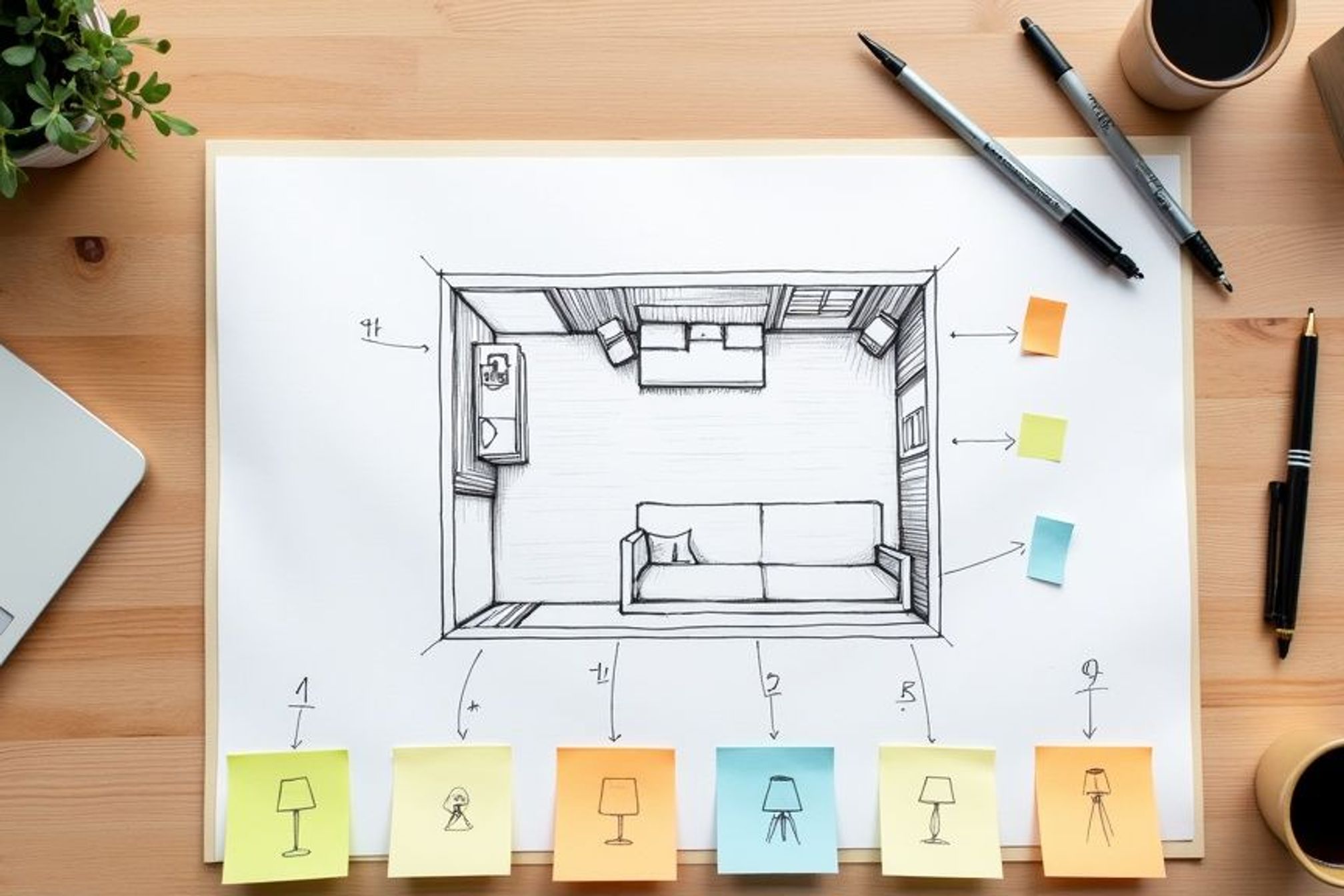
Are you an interior designer, a home decor blogger, or a furniture store owner trying to get your work seen online? The key isn't just great photos; it's using the right words to connect with your ideal audience. Knowing what potential clients are searching for is the first step to building a strong online presence. Think of keywords as the signs that guide people straight to your website, portfolio, or online store.
This guide is your go-to source for the best interior design keywords. We've cut through the confusion to give you a clear, simple list that you can start using today. Forget about difficult terms and complicated plans. Here, you'll find keywords grouped by type, easy explanations of what they mean, and helpful tips on how to use them on your website, blog, and social media.
We will look at everything from broad style terms like "modern minimalist" to specific problem-solving phrases like "small space interior design." By the end of this article, you'll have a great set of keywords to attract more visitors, get good leads, and grow your design business. Let's start turning your website into a tool that brings in clients.
1. Style Keywords | Modern Minimalist Interior Design
Style-specific keywords are a basic part of any good interior design SEO plan. They connect you with people who already know what style they like. "Modern minimalist interior design" is a great example. It targets users who like clean lines, simple colors, and open, useful spaces. By using these terms, you attract clients who aren't just looking for any designer; they're looking for a designer who gets their specific vision.
This method works well because it targets people who are ready to act. Someone searching for "modern minimalist living room ideas" is much closer to buying something or hiring someone than a person searching for a general term like "living room ideas." This focus leads to better leads and more clients.
How to Implement This Keyword Strategy
To reach this audience, add modern minimalist keywords throughout your website and content. This means more than just your services page; it's about showing you are an expert in that style.
- Create a Portfolio Page: Make a special section in your portfolio for "Modern Minimalist Projects." Use this exact phrase in the page title and headings.
- Write Targeted Blog Posts: Create content that answers specific user questions. Titles like "5 Key Parts of Modern Minimalist Design" or "Affordable Modern Minimalist Furniture" can bring in a lot of visitors.
- Optimize Image Alt Text: When you upload photos of your minimalist projects, use descriptive alt text like "modern minimalist kitchen with white cabinets and natural light."
Pro Tip: Mix style keywords with location-based terms for a strong local SEO boost. For example, "modern minimalist interior designer in NYC" or "Scandinavian furniture store in Chicago" helps you connect directly with local customers looking for your services.
Using the right structure and keyword placement in your content is key for search engines. For a closer look at organizing your content, read our guide on how to structure your content with optimized H2 and H3 headings. This plan helps you rank for some of the best interior design keywords by showing clear expertise in a popular style.
2. Room-Type Keywords | Bedroom Interior Design Ideas
Focusing on room-specific keywords lets you connect with people looking to design a certain space in their home. Terms like "bedroom interior design ideas" target an audience with a clear goal. These people aren't just looking around; they are actively searching for ideas, solutions, and professionals for a specific project, whether it's a main bedroom, a kitchen, or a home office.
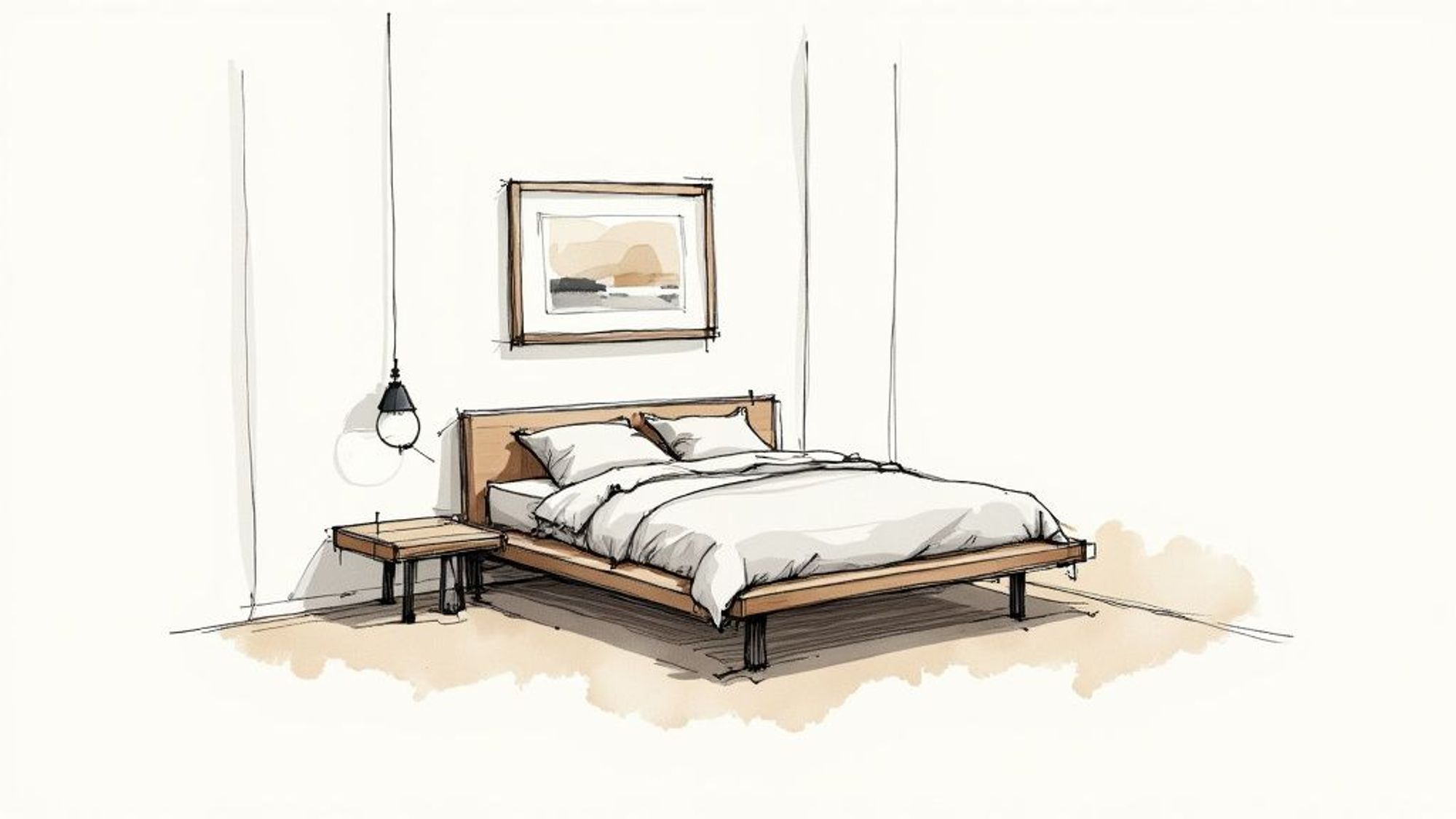
This keyword plan is effective because it meets people where they are in their design process. Someone searching for "luxury bathroom renovations" is much closer to making a decision than someone searching for "home decor." By targeting these specific rooms, you show that your brand is the direct answer to their needs. This leads to better leads and a higher chance of getting the job.
How to Implement This Keyword Strategy
To get this traffic, you need to create specific content for each main room type you work on. This method shows your expertise and makes it easy for search engines to match your pages with the right searches.
- Build Dedicated Room-Specific Pages: Create separate pages on your website for services like "Living Room Design" or "Kitchen Remodeling." Use these keywords in the page titles, URLs, and throughout the text.
- Showcase Before-and-After Case Studies: A blog post titled "A Small Master Bedroom Makeover" with high-quality photos can attract users looking for similar solutions and build trust in your skills.
- Optimize for Voice Search: Create content that answers common questions like "How to design a cozy small bedroom?" or "What are the best colors for a home office?" to show up in voice searches.
Pro Tip: Combine room-type keywords with specific problems or features to attract a very interested audience. For example, "home office design for small spaces" or "child-friendly living room furniture ideas" targets users with a very specific problem they need to solve.
Creating detailed, room-focused content is a proven way to rank for some of the best interior design keywords. This strategy helps you build authority in different areas of home design, attracting clients no matter which room they want to work on first.
3. Budget-Level Keywords | Luxury Interior Design vs Budget-Friendly
Budget-focused keywords are key for dividing your audience based on how much they can spend. These terms tell you right away if a person is looking for high-end services or affordable, DIY-friendly ideas. By targeting keywords like "luxury interior design" or "budget-friendly apartment decor," you can attract clients whose budget matches your business. This avoids problems and makes sure your marketing reaches the right people.
This plan works well because it filters leads by their budget from the very first search. A person searching for "luxury modern minimalist homes" has a very different budget and expectation than someone searching "DIY budget-friendly decor." Getting the right group means better inquiries and a smoother sales process, as you spend less time with people who can't afford your services.
How to Implement This Keyword Strategy
To effectively reach your target price point, you must create content and service pages that speak directly to that audience's budget.
- Create Tiered Landing Pages: Make separate, detailed pages for your different service levels. A "Luxury Interior Design Services" page should have different words and pictures than an "E-Design & Budget Decor" page.
- Write Financially-Focused Blog Posts: Create content that talks about specific budget issues. Titles like "The Real Cost of Luxury Interior Design in NYC" or "5 Ways to Get a High-End Look on a Budget" attract the right readers.
- Optimize Product and Portfolio Descriptions: Use price-related words in your portfolio descriptions. For example, "luxury kitchen remodel with high-end appliances" or "affordable Scandinavian design for a first apartment."
Pro Tip: Show the value for your target budget. For luxury clients, focus on custom service, special materials, and a good return on investment. For budget-conscious clients, point out smart spending, cost-saving tips, and getting a high-end look for less.
By dividing your audience with budget keywords, you show a clear understanding of the market. This makes your brand more attractive to your ideal client and helps you rank for some of the best interior design keywords related to buying decisions.
4. Cultural/Aesthetic Keywords | Bohemian Interior Design
Keywords based on culture and style tap into specific design movements. These terms connect you with an audience looking for a unique, story-filled space. "Bohemian interior design" is a great example. It targets users who love mixed, free-spirited spaces full of textures, patterns, and personal items. Using these keywords helps you attract clients who want a designer with special skills in a certain style.
This plan is powerful because it targets users with strong feelings about a style. Someone searching for "boho-chic bedroom ideas" or "Japanese minimalist living room" is looking for more than just furniture; they are seeking a specific feeling. This deeper interest often leads to better client relationships, as you both share a creative vision.
How to Implement This Keyword Strategy
To attract this specific audience, you must show you truly understand and respect the style. Your content should show the ideas behind the style, not just how it looks.
- Create Themed Portfolio Galleries: Make a gallery for "Bohemian Interior Design Projects" or "Zen-Inspired Spaces." Use these phrases in your page titles, URLs, and image descriptions.
- Write Blog Posts on Design Origins: Create content that talks about the history and ideas of these styles. Titles like "The Main Ideas of Japanese Zen Design" or "How to Master the Art of Bohemian Layering" show you are an expert.
- Use Authentic Storytelling: In your project descriptions, tell the story behind the design. Explain how you used real elements or worked with artists to bring the "boho-chic" or "maximalist eclectic" vision to life.
Pro Tip: Mix cultural keywords with room-specific and practical terms to get more specific search traffic. For example, "small bohemian apartment decor ideas" or "mid-century modern home office furniture" targets users with a very specific problem to solve within their favorite style.
By creating content that is both beautiful and informative, you can rank for some of the best interior design keywords. For guidance on using AI tools to help create this special content, learn more about how to ensure your AI-generated content is visible on Google. This method shows off your unique skills and connects you with a passionate group of clients.
5. Problem-Solution Keywords | Small Space Interior Design
Problem-solution keywords are a great way to connect with clients who are actively looking for answers to specific design problems. Terms like "small space interior design" target an audience that isn't just looking; they have a problem, like a small apartment or a dark room, and are searching for a solution. By using these keywords, you present yourself as the expert who can solve their exact issue.
This plan works very well because it focuses on people who are ready to act. A user searching for "storage solutions for tiny apartments" is much closer to buying than someone searching for "apartment ideas." They need a specific fix, making them more likely to hire a professional or buy recommended products. This leads to better traffic and more business.
How to Implement This Keyword Strategy
To attract this solution-seeking audience, you need to create content that directly solves their problems. This means showing your expertise in fixing common design issues on your website and social media.
- Create "Before and After" Case Studies: Make a portfolio section or blog series for "Small Space Transformations." Showing visual proof of how you solve these problems is very convincing. For clients looking for ideas for small areas, using keywords that explain how to decorate small spaces can be very effective.
- Develop How-To Guides: Write detailed blog posts with titles like "How to Make a Dark Room Brighter" or "5 Clever Ways to Design a Low-Ceiling Room." These articles answer specific questions and build trust with potential clients.
- Use Video Demonstrations: Create short videos showing helpful tips, such as organizing a small closet or arranging furniture in a narrow living room. Video content is very engaging and easy to share.
Pro Tip: Include product recommendations in your solution-based content. For instance, in a post about storage, link to specific shelves or multi-use furniture. This adds value for the reader and can create affiliate marketing chances.
By directly answering user questions, you prove your value before a client even contacts you. This is a main idea of modern content marketing. Learn more about effective SEO content optimization to make sure your solutions reach the right people. Using these problem-focused phrases is key to ranking for some of the best interior design keywords available.
6. Action-Based Keywords | Interior Design Consultation Services
Action-based keywords are the fast track of interior design SEO. They reach users who are past the idea phase and are ready to hire someone, book a service, or buy something. Phrases like "interior design consultation services" show a strong desire to act, connecting you directly with potential clients looking to spend money. By using these terms, you place your business at the final step of the customer's journey.
This plan is powerful because it brings in the best quality leads. Someone searching for "hire an interior designer near me" or "home staging services NYC" is not just looking; they have a specific need and are checking their options. Using these "ready-to-buy" keywords can greatly increase your client numbers and give you a clear return on your marketing dollars.
How to Implement This Keyword Strategy
To attract these ready-to-act clients, you must create clear, direct ways for them to take action on your website. Your content should be focused on getting them to sign up.
- Create Dedicated Service Pages: Build specific pages for each service you offer, such as "Virtual Interior Design Services" or "In-Home Color Consultation." Use these exact phrases in the page titles, headings, and main text.
- Use Clear Calls-to-Action (CTAs): Your pages should have easy-to-see buttons and links like "Book Your Consultation Now" or "Get a Project Quote." Make it as simple as possible for a visitor to become a client.
- Include Trust Signals: Show client reviews, before-and-after photos, and clear pricing on your service pages to build confidence and encourage users to take the next step.
Pro Tip: For "near me" searches, local SEO is a must. Make sure your Google Business Profile is completely filled out and that your name, address, and phone number are the same everywhere online. This builds local trust and helps you appear in local map results for these valuable searches.
By creating pages for these "ready-to-buy" searches, you meet a user's direct need. To learn how to build pages that get local searchers to contact you, read our guide on creating powerful local SEO landing pages. This method helps you rank for some of the best interior design keywords by connecting you with clients who are ready to hire.
7. Trend Keywords | 2024 Interior Design Trends
Trend-focused keywords tap into the excitement of what's new in the design world. They attract a very interested audience that wants to find and use the latest styles, colors, and materials. By targeting terms like "2024 interior design trends," you position your brand as a current, expert voice in the industry. This helps you reach users when their interest is highest. This plan is perfect for creating timely content that gets a lot of searches at certain times of the year.
This approach works because it matches the normal cycle of what people are curious about. When major design magazines or companies like Pantone announce their "Color of the Year," searches for that term shoot up. Being one of the first to publish a full guide or photo gallery on how to use "dopamine design" or "quiet luxury" can drive a lot of traffic and show you're an expert.
How to Implement This Keyword Strategy
To use trend keywords well, you must be quick and smart. It's about seeing what's next and responding to create content that feels fresh and important.
- Publish Trend Forecasts: Before the new year, create a blog post titled "Our Top Interior Design Trends for 2024." This gets early searchers and makes you look like a leader.
- Create Trend-Specific Content: Make articles, social media posts, and videos about new trends. For example, "How to Get the Quiet Luxury Look on a Budget" or "5 Ways to Use Sustainable Design Materials in 2024."
- Update Annually: Don't let your trend content get old. Update your main "Interior Design Trends" post each year with new information. This helps keep its ranking and makes it stay useful over time.
Pro Tip: Watch social media sites like TikTok and Pinterest for new trends that are just starting. Creating content about terms like "TikTok viral interior design trends" early can give you a big lead over competitors who are slower to act.
Using trends means staying ahead of the game. This requires constant research into what's becoming popular and what users are actively searching for. For a deeper understanding of how to find and study these valuable terms, check out our guide to effective keyword research. Using these timely phrases is a key plan for ranking for the best interior design keywords and attracting a modern, stylish audience.
8. Material/Element Keywords | Sustainable Interior Design Materials
Focusing on specific materials or elements in your keyword plan helps you connect with clients who have a clear idea of the textures and items they want in their space. "Sustainable interior design materials" is a perfect example, targeting a growing audience of eco-friendly consumers. By showing your expertise in materials like reclaimed wood, cork, or natural fibers, you attract clients who care about the planet as much as they care about looks.
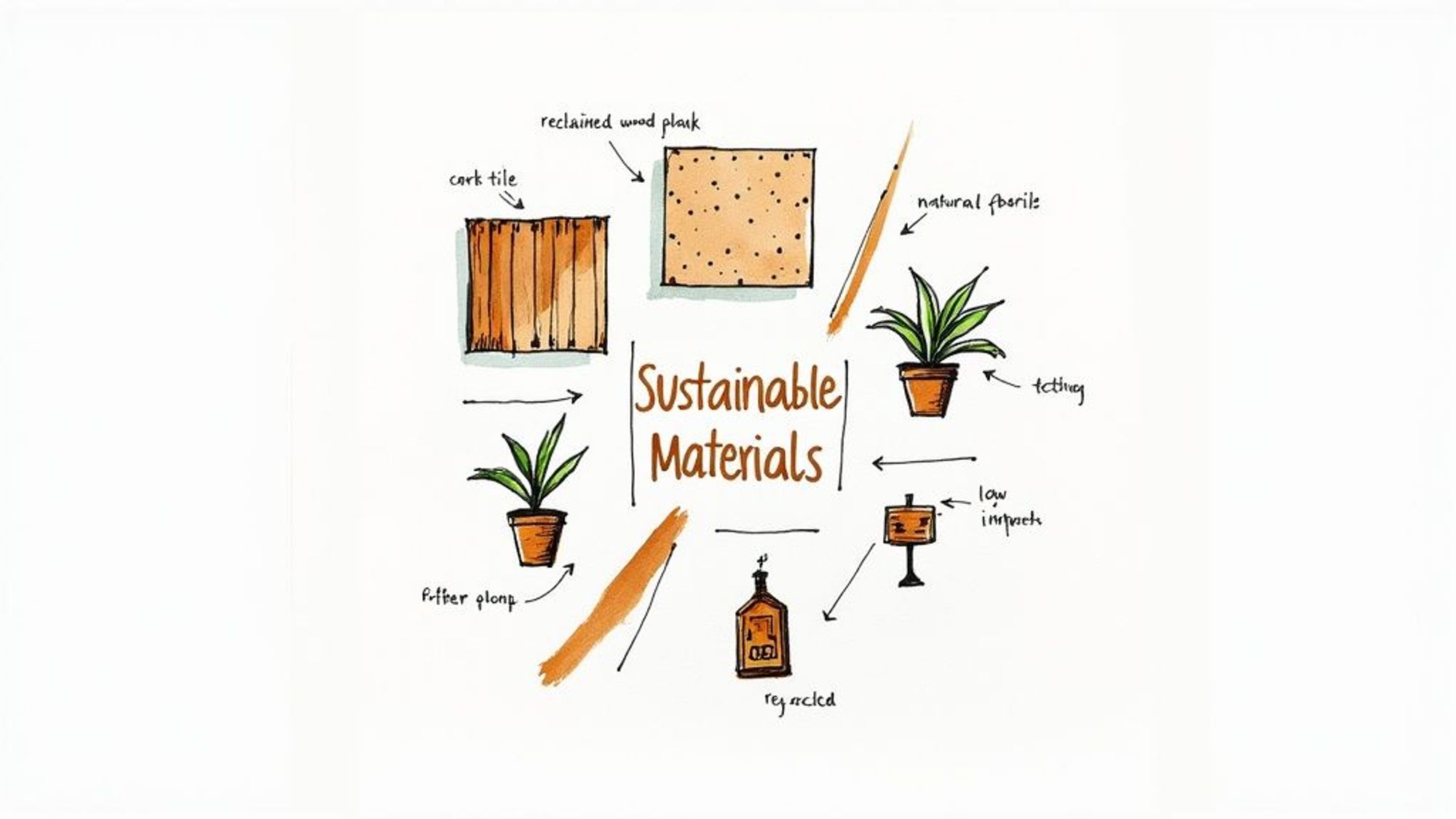
This approach is powerful because it speaks to very specific user needs. A search for "reclaimed wood dining table" or "benefits of cork flooring" shows a user is deep into their research and likely close to a decision. By providing useful content on these topics, you show you are a knowledgeable and trustworthy source. This makes you the first choice when they are ready to hire someone.
How to Implement This Keyword Strategy
To reach this audience, you must show a deep understanding of specific materials online. This builds your authority and attracts great leads who value your special knowledge.
- Develop Detailed Material Guides: Write blog posts that compare different materials. For example, "Cork vs. Bamboo Flooring: Which is Greener?" or "A Designer's Guide to Natural Fiber Fabrics."
- Showcase Supplier Partnerships: Feature blog posts or portfolio pages about projects using materials from certain, trusted suppliers. This adds to your credibility and can lead to new marketing opportunities.
- Highlight Certifications: Create content explaining eco-friendly labels like FSC (Forest Stewardship Council) or GREENGUARD. This teaches your audience and shows your brand is an expert in healthy, green design.
Pro Tip: Go beyond just listing materials. Create content that includes cost information, durability, and care tips. For example, a blog post titled "The True Cost and Care of a Concrete Countertop" provides great value and targets users who are ready to buy.
By using these material-specific terms, you’ll be targeting some of the best interior design keywords available. This strategy connects you with a passionate, value-driven audience looking for a designer who shares their commitment to sustainability and quality.
Top 8 Interior Design Keywords Comparison
Item | Implementation complexity | Resource requirements | Expected outcomes | Ideal use cases | Key advantages |
|---|---|---|---|---|---|
Style Keywords – Modern Minimalist Interior Design | Moderate — need good photo collection | High-quality photos, portfolio, product examples | Attracts style-focused, specific traffic | Designers, minimalist furniture stores | Strong niche SEO; clear brand style |
Room-Type Keywords – Bedroom Interior Design Ideas | Low–Moderate — can repeat for each room | Room-specific guides, images, layouts | High interest for each room project | Local designers, room-focused bloggers | Targeted advice; good for local SEO |
Budget-Level Keywords – Luxury vs Budget-Friendly | Moderate–High — need separate content | Pricing info, different landing pages | Attracts leads that fit your prices | Businesses with different price options | Filters users by budget; gets high-value and budget clients |
Cultural/Aesthetic Keywords – Bohemian Interior Design | Moderate — needs cultural research | Authentic photos, cultural knowledge | Engaged niche audience; brand authority | Boutiques, culturally focused designers | Emotional connection; less competition |
Problem-Solution Keywords – Small Space Interior Design | Moderate — needs practical knowledge | Case studies, how-to content, demo videos | Very high interest; leads ready for help | Storage product brands, consultants, DIY guides | High interest; great for helpful marketing |
Action-Based Keywords – Interior Design Consultation Services | Moderate — needs setup for conversion | Booking systems, reviews, clear buttons, local SEO | Direct bookings and clear results | Service providers, local agencies | Highest chance of conversion; attracts ready-to-buy users |
Trend Keywords – 2024 Interior Design Trends | Low–Moderate — needs timely research | Trend reports, fast content, social media | Traffic spikes, links from other sites | Blogs, PR, seasonal marketing | High seasonal visibility; shareable content |
Material/Element Keywords – Sustainable Interior Design Materials | Moderate–High — needs technical knowledge | Supplier info, certifications, technical content | Targeted traffic; B2B leads; premium image | Sustainable brands, material suppliers | Appeals to eco-conscious buyers; less competition |
Putting These Keywords to Work for Your Business
You now have a great set of the best interior design keywords to attract your ideal clients. We've covered everything from specific styles like 'modern minimalist interior design' to practical needs like 'small space interior design'. The real benefit, however, comes from putting this knowledge into action. Think of these keywords not as a simple list, but as the foundation for a stronger, more visible online presence.
From Keywords to Clients: Your Action Plan
Understanding keywords is the first step; using them well is how you grow your business. The goal is to add these phrases to your website in a way that feels natural to visitors and shows your expertise to search engines like Google.
Here is a simple, step-by-step plan to get started:
- Check Your Website: Start by looking at your current pages. Look at your homepage, services pages, and portfolio. Are you using terms like 'luxury interior design' if that's your specialty? Could your project descriptions be more specific by including 'bohemian interior design' details? Make a list of pages to update.
- Choose Your Focus: You don't have to do everything at once. Pick two or three keyword categories from this article that best fit your business. If you are great at eco-friendly designs, focus on creating a new blog post or service page about 'sustainable interior design materials'.
- Create Helpful Content: The key to ranking high is providing useful information. Don't just list keywords; answer the questions your potential clients are asking. A blog post titled "5 Smart Ways to Use Sustainable Materials in Your Kitchen" is much more interesting than a page just filled with keywords. This content-first approach is key. To effectively use these keywords, learning about Mastering Content Marketing for Lead Generation can greatly help you get more clients.
- Go Local and Grow: For businesses in specific areas, local SEO is very important. Combine these keywords with city or neighborhood names. For example, create content about 'interior design consultation services in Brooklyn' or 'budget-friendly living room ideas for Austin residents'.
By regularly creating content that speaks directly to your audience's needs, you build trust and authority. You change from being just another designer to the go-to expert for their specific design problems. Start today by choosing one keyword, one page, or one new blog post. Small, regular steps will lead to big growth, helping you connect with the clients you're most excited to work with.

I’m an experienced SEO professional with over a decade of helping over 100 businesses rank higher online, especially local businesses, e-commerce stores and SaaS. As the co-founder of LPagery, I specialize in practical, proven strategies for regular SEO and Local SEO success.
This post may contain affiliate links which we earn a commission on when purchasing a given product.
I’m an experienced SEO professional with over a decade of helping over 100 businesses rank higher online, especially local businesses, e-commerce stores and SaaS. As the co-founder of LPagery, I specialize in practical, proven strategies for regular SEO and Local SEO success.