
Are you a construction business owner asking how to get more calls and project requests from the internet? The secret isn't just having a website. It's about helping the right people find it. Think of keywords as the digital signs that guide potential customers to your online doorstep. When someone needs a new roof or a kitchen remodel, they type specific phrases into Google. If your website uses those same words, you show up in their search results.
This guide will show you the best keywords for your construction business, organized into simple, powerful groups you can use right away. We'll skip the confusing technical terms and give clear examples for every type of contractor, from roofers and plumbers to general contractors and custom home builders. To build a strong online presence, your keyword research needs to be part of an effective marketing strategy for construction company success. By understanding how your customers search, you can attract more good leads and win more projects. Let's start building your company's online growth.
1. Service-Specific Keywords: Talk Directly to Your Customers
When potential clients have a specific problem, they use specific search words. Service-specific keywords are the foundation of a good strategy because they connect you with customers who have a clear need and are ready to hire. Instead of a broad search like "construction company," they're looking for exactly what you do, such as "kitchen remodeling contractor" or "commercial concrete pouring."
This approach is powerful because it targets people who are ready for action. These are some of the best keywords for a construction business because they match the customer's immediate needs. This leads to better leads and more signed contracts.
How to Use Service-Specific Keywords
To make these keywords work for you, create a unique page on your website for each main service you offer. For example, if you are a general contractor, you might have separate pages for "Custom Home Building," "Basement Finishing," and "Deck Construction."
Actionable Tips:
- Create Dedicated Service Pages: Each major service needs its own page. This makes your site easier to use and helps Google rank you for that specific term.
- Optimize Page Elements: Include the keyword in the page’s title, description, and main heading.
- Use Longer Variations: Target more detailed searches like "emergency plumbing repair for leaking pipes" or "eco-friendly bathroom renovation."
- Showcase Your Work: Add customer reviews and photos of your work for that service on its page to build trust. For more examples, see this guide to the best keywords for roofers.
2. Local Keywords: Be the Go-To Contractor in Your Area
For a construction business, most customers come from a specific city or region. Local keywords target these nearby customers by adding a location to the search, such as "general contractor in Austin, TX" or "roofing company near me." This strategy connects you with people looking for services in the exact area you serve.

Focusing on local searches is important because it filters out website visitors from outside your service area. These are some of the best keywords for a construction business because they attract good leads from your area who are more likely to become paying customers. This approach helps you become the first choice for neighborhood projects.
How to Use Local Keywords
The best way to get local traffic is by showing Google that you are a top choice in specific cities or neighborhoods. A key method is to create special pages on your website for each main service area to show you serve those communities.
Actionable Tips:
- Create Location-Specific Pages: Build individual pages for each city, town, or large neighborhood you serve. You can learn how to set up effective local SEO landing pages for the best results.
- Optimize Your Google Business Profile: Make sure your profile is complete with your correct address, service areas, and business hours. Ask customers for reviews to boost your local visibility.
- Use Location in Your Content: Naturally mention city and neighborhood names in your website's text, blog posts, and project descriptions.
- Build Local Directory Listings: Claim and update your profiles on sites like Yelp, Thumbtack, and the Better Business Bureau (BBB) to strengthen your local presence.
3. Long-Tail Keywords: Capture Niche Searches Ready to Buy
While short keywords bring a lot of traffic, long-tail keywords bring the right traffic. These are longer, more specific search phrases, usually three or more words. They show exactly what a potential customer is looking for. Think of the difference between "remodeling" and "cost to remodel a small bathroom in Austin."
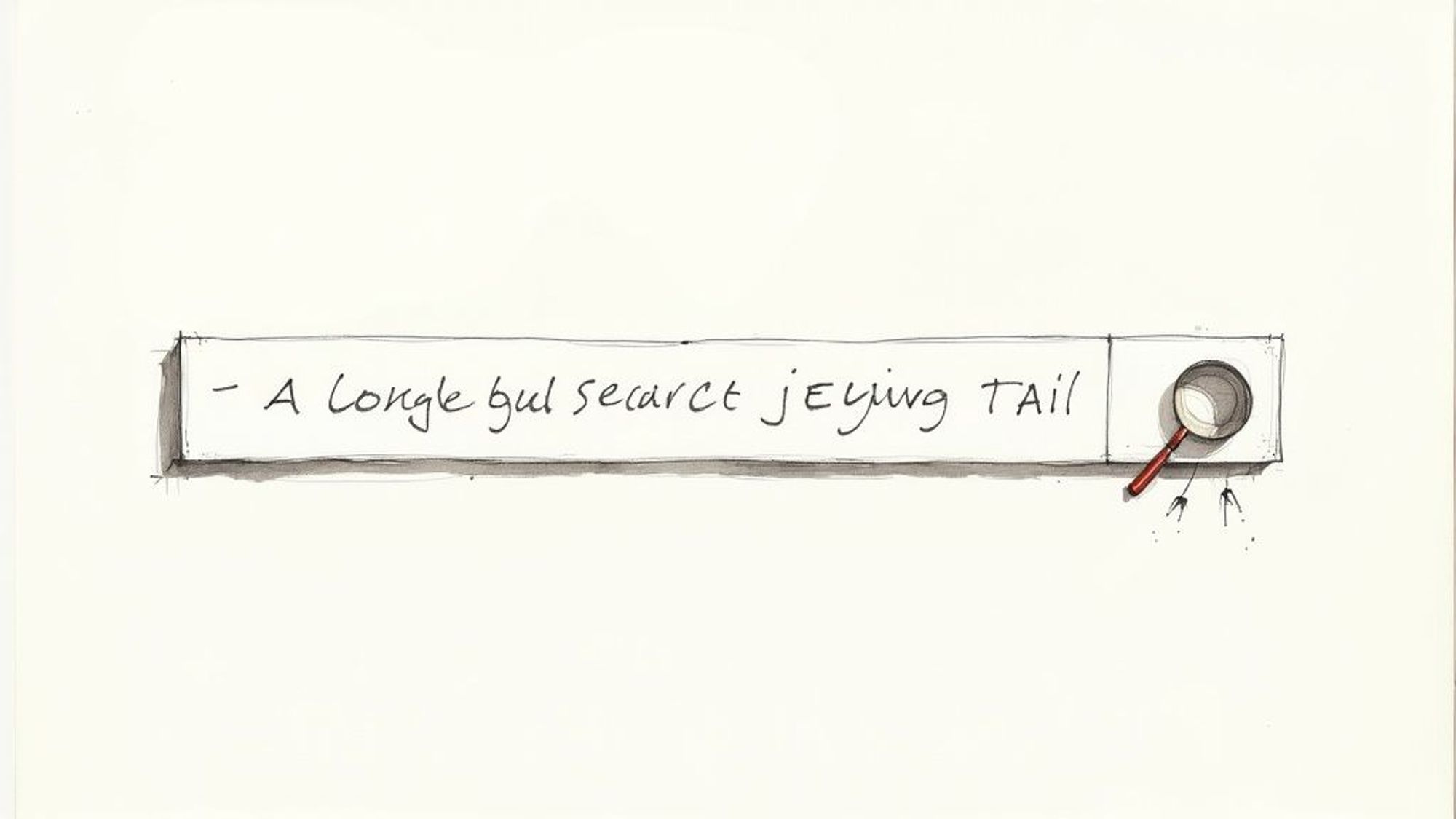
This level of detail means the searcher is close to making a decision. They have a specific problem and are looking for a solution, making them a high-quality lead. Targeting these phrases is one of the smartest ways to find the best keywords for a construction business because they have less competition and bring better results.
How to Use Long-Tail Keywords
Your goal is to answer specific customer questions through your website content, such as blog posts, FAQ sections, or detailed service pages. By creating content that directly answers these longer searches, you position your business as the expert with the exact solution they need.
Actionable Tips:
- Answer Common Questions: Create content around question-based keywords like "how to find a licensed general contractor" or "best time to repair foundation cracks."
- Combine Modifiers: Mix your main service with words like cost, location, and specific needs (e.g., "eco-friendly roofing materials for residential homes").
- Check Search Console: Use Google Search Console to see the actual long-tail searches people use to find your site, then create content to better target them.
- Create Content at Scale: Building out pages for every long-tail variation can take a lot of time. You can learn about scaling this process with programmatic SEO to create hundreds of targeted pages quickly.
Pro Tip for WordPress Users: Creating individual pages for every service and location combination is a powerful but manual task. If your website is on WordPress, you can use a plugin like LPagery to automate this process. It allows you to build hundreds of unique, optimized pages from a single template, saving you countless hours while capturing valuable long-tail search traffic.
4. Project-Type Keywords: Attract Clients with a Vision
While service keywords focus on what you do, project-type keywords target clients searching for a specific result. These searchers have a vision, such as a "master bathroom renovation" or a "backyard deck build." They are looking for a contractor who can bring a complete project to life from start to finish.
This strategy helps you connect with clients who have already decided on what they need. Using these terms is one of the most effective ways to find the best keywords for a construction business because they attract leads who are ready to hire and are looking for a specialist.
How to Use Project-Type Keywords
The key is to create content that shows your skill in managing and completing these specific projects. Build dedicated pages that serve as a complete resource for anyone considering that type of project. Explain your process from the first idea to the finished job.
Actionable Tips:
- Create Project-Specific Pages: Make a detailed page for each major project type, like "Home Addition Construction" or "Basement Finishing."
- Showcase Transformations: Feature before-and-after photo galleries and video tours to visually show what you can do.
- Develop Case Studies: For larger projects, write detailed stories that explain the challenges, your solutions, and the final results.
- Include Cost & ROI Information: Give general cost ranges and the potential return on investment to help clients with their budget. To learn more about how this affects your local search presence, check out this guide on how to do local SEO for contractors.
5. Material/Product Keywords: Showcase Your Expertise
Clients often have specific materials or brands in mind for their projects. They search for contractors who specialize in them. Material keywords target these customers by focusing on terms like "granite countertop installation" or "slate tile roofing contractor." This strategy positions your company as an expert in handling particular products.
Focusing on materials is a great way to attract clients who have already done their research and are often willing to pay more for quality. These are some of the best keywords for a construction business because they show your special knowledge and attract customers with clear plans. This leads to more profitable projects.
How to Use Material/Product Keywords
Highlight your material skills directly on your service pages and through dedicated content. If you specialize in high-end flooring, create a blog post comparing "engineered hardwood vs. luxury vinyl plank." Or, build a gallery page showing your "quartz countertop" projects. This not only attracts traffic but also educates potential customers.
Actionable Tips:
- Feature Material Options: Clearly list the materials and brands you work with on your service pages.
- Create Comparison Content: Write blog posts or guides that compare the pros and cons of different materials you offer, like "Benefits of Metal Roofing."
- Showcase Samples and Work: Add high-quality images of material samples and completed projects to build trust.
- Highlight Warranties: Mention any manufacturer warranties that come with the materials you install to add value. For a deeper dive into this type of targeting, explore this guide to effective keyword research.
6. Commercial vs. Residential Keywords: Attract the Right Projects
Not all construction projects are the same, and your clients know it. Splitting keywords into "commercial" and "residential" categories is key to attracting the right type of job. This strategy connects you with clients who need your specific skills, whether it's building a new store or remodeling a home. A search for "commercial office renovation" has very different needs than one for "home kitchen remodel."
This difference is important because it filters out the wrong kind of inquiries and brings in good leads. By using terms that name your market, you show your specialty and target decision-makers in that exact area. These are some of the best keywords for a construction business because they match your marketing directly with your business goals, saving time and improving results.
How to Use Commercial vs. Residential Keywords
The key is to separate your marketing and website content to speak directly to each audience. A business owner looking for an office build-out has different priorities and concerns than a homeowner planning an addition. Your website should show you understand this.
Actionable Tips:
- Create Separate Website Sections: Have different areas of your site for your commercial and residential services, each with its own photos, reviews, and project stories.
- Target Specific Client Needs: Use keywords that address the unique needs of each group, like "industrial warehouse construction" or "residential siding replacement."
- Tailor Your Language: Use professional, business-focused language for commercial clients and more personal, design-focused language for homeowners.
- Showcase Relevant Credentials: Highlight licenses and insurance specific to either commercial or residential work to build trust with your target audience.
7. Seasonal Keywords: Take Advantage of Time-Based Demand
Customer needs in the construction industry often change with the weather. Seasonal keywords capture this time-sensitive demand. They allow you to connect with clients searching for specific services relevant to a particular time of year, like "spring roof inspection" or "winter ice dam removal."
This strategy works because it positions your business as the right solution for an urgent or predictable problem. Planning for these needs makes these some of the best keywords for a construction business because they tap into a predictable increase in searches. By matching your marketing efforts with the calendar, you can attract motivated customers exactly when they need you.
How to Use Seasonal Keywords
Successful seasonal marketing requires planning. Start by finding the predictable, weather-related services you offer throughout the year and create a content schedule around them. For instance, promote "summer deck building" in late spring and "fall gutter cleaning" as autumn gets closer.
Actionable Tips:
- Plan Your Content Calendar: Map out your seasonal promotions and blog posts months in advance to be ready before demand gets high.
- Create Seasonal Landing Pages: Build special pages for services like "emergency storm damage repair" or "winter weatherproofing" to capture targeted traffic.
- Run Timely Ad Campaigns: Launch paid search ads for terms like "spring home maintenance checklist" just before the season begins to get the attention of early planners.
- Offer Seasonal Promotions: Attract customers with limited-time offers, such as a discount on "fall basement waterproofing" before the rainy season starts.
8. Transactional/Estimate Keywords: Capture High-Intent Leads
When a potential customer moves past the research stage and is ready to hire, their search terms change. They begin using "transactional" or "estimate" keywords. These words signal a need for quotes, pricing, and appointments. These are among the best keywords for a construction business because they attract users who are ready to buy.
Searches like "get roofing estimate" or "kitchen remodel quote online" show the user is looking to start a project and spend money. By targeting these terms, you put your business in front of motivated buyers at the exact moment they are looking for a solution. This focus on action-oriented phrases leads to more good leads and a higher success rate for your sales team.
How to Use Transactional/Estimate Keywords
The key to success with these keywords is to make it very easy for customers to take the next step. Create special landing pages or clear sections on your site designed for getting quotes. Remove any steps that might cause frustration to encourage people to act immediately.
Actionable Tips:
- Create Obvious Calls-to-Action (CTAs): Use clear, strong buttons like "Get Your Free Estimate Today" or "Schedule a Consultation" on every relevant page.
- Simplify Your Forms: Only ask for the most important information on your quote request forms. The fewer fields a user has to fill out, the more likely they are to finish it.
- Offer Free Consultations: Remove the cost barrier by offering a "free, no-obligation estimate" to get more inquiries.
- Use Urgency Language: Use phrases like "book now" or "get an instant quote" to encourage users to act right away.
9. Informational/Question Keywords: Become the Local Expert
Not every customer is ready to hire on their first search. Many start by asking questions. Informational or question-based keywords capture this important research phase. They target users asking things like "how much does foundation repair cost" or "signs I need a new roof."
By answering these questions, you position your business as a helpful expert. This builds trust long before they need a quote. While these are not immediate sales leads, they are the seeds for future business. Getting this traffic makes you the first company they think of when they are ready to hire. This proves why these are some of the best keywords for a construction business for long-term growth.
How to Use Informational Keywords
The best way to target these keywords is by creating helpful content, like blog posts or FAQ pages, that directly answers common customer questions. For example, a blog post titled "How to Choose the Right General Contractor for Your Project" can attract users in the early planning stages.
Actionable Tips:
- Create Blog Content: Write detailed articles answering common industry questions. Use titles like "5 Signs of Water Damage in Walls" or "How Long Does a Bathroom Renovation Take?"
- Build an FAQ Section: Make a page for frequently asked questions and provide clear, short answers. This is a great way to capture question-based searches.
- Answer Questions Directly: When writing, answer the user's question in the very first paragraph. This increases your chances of getting a Google Featured Snippet.
- Link to Your Services: In your informational content, naturally include links back to your service pages to guide users from research to action.
10. Competitor/Brand Keywords: Position Yourself as the Better Choice
Your potential customers are not just looking for a service; they are comparing their options. Competitor and brand keywords target users who are actively comparing your business against others. These searches often include names of local rivals or big national companies, such as "alternative to HomeAdvisor" or "local builder vs. [National Company Name]."
This strategy lets you join the conversation right when a customer is making their final decision. By targeting these terms, you can highlight your unique strengths and show why you are the better choice. These are some of the best keywords for a construction business because they capture ready-to-hire leads, giving you a direct chance to win them over.
How to Use Competitor/Brand Keywords
The key to this approach is creating fair and honest comparison content. Focus on showing your unique selling points, such as better quality, personal service, or better materials, rather than just criticizing competitors. This builds trust and positions your brand as a confident, customer-focused expert.
Actionable Tips:
- Create Comparison Pages: Make pages or blog posts that compare your services to a competitor (e.g., "Why Choose a Local Custom Builder Over a National Chain").
- Focus on Your Strengths: Center the content around what makes you different. Use phrases like "Our Promise to You" or "The [Your Company] Advantage."
- Use Honest Language: Avoid making false claims or being negative. Instead, use factual, benefit-driven language to explain why your service is a better solution.
- Use Testimonials: Include quotes from clients who switched to your company from a competitor. This provides powerful social proof and backs up your claims.
Top 10 Construction Business Keyword Types — Comparison
Keyword Type | How Hard to Use | Resources Needed | Expected Results | Best For | Key Benefits |
|---|---|---|---|---|---|
Service-Specific Keywords | Medium | Medium — pages, descriptions | High conversion | Specific trades (roofing, plumbing) | Very relevant; good leads |
Local Keywords | Medium-High | High — location pages, listings | Better local leads & map visibility | Businesses with service areas | Targets ready-to-hire local customers |
Long-Tail Keywords | Low-Medium | Medium — keyword tools, many pages | Easier to rank; high intent | Niche searches, cost questions | Low competition; higher conversion |
Project-Type Keywords | Medium | Medium — galleries, case studies | Attracts project-ready clients | Major renovations, remodels | Helps customers decide |
Material/Product Keywords | Low-Medium | Medium — product specs, photos | Attracts knowledgeable buyers | Specialty materials or brands | Shows expertise; highlights quality |
Commercial vs. Residential Keywords | Medium | Medium-High | Better lead quality | Firms focused on one market | Clear positioning; fewer wrong inquiries |
Seasonal Keywords | Low | Medium — seasonal content, ads | Predictable busy times; urgent sales | Weather-driven services | Captures urgency; allows planning |
Transactional/Estimate Keywords | High | High — quote forms, fast follow-up | Highest conversion; direct leads | Getting sales-ready leads | Strong results; immediate action |
Informational/Question Keywords | Low-Medium | Medium — blogs, FAQs, videos | High traffic; authority growth | Top-of-funnel education | Builds trust and authority |
Competitor/Brand Keywords | Medium | Medium-High — competitor info | Captures customers ready to switch | Comparison pages, ad strategies | Targets customers making a choice |
Add a Section Highlighting the LPagery Plugin
You now have a solid plan for finding the best keywords for your construction business. We've covered everything from broad service keywords like "general contractor" to specific local searches like "eco-friendly home builders in Portland." Using these different keyword types is the first big step to getting more good leads.
The main takeaway is this: a single homepage is not enough. To connect with customers today, you need separate pages that speak to their specific needs, whether they are looking for "commercial roof installation" or a "kitchen remodel estimate." Each keyword group we've discussed is a chance to grab a client's attention right when they are ready to hire.
But what if you are on WordPress and want to easily create pages for all of these keywords instead of manually creating them?
The Smart Solution for WordPress Users: LPagery
If your website is built on WordPress, there is a powerful and easy way to turn your keyword list into a lead-generating machine. A plugin called LPagery is designed to solve this exact problem. It lets you automatically create thousands of unique, optimized landing pages in just a few minutes.
Here’s how it makes the whole process simple:
- Create a Source Sheet: You simply list your keywords, like services and city names, in a spreadsheet (like Google Sheets or an Excel file).
- Build One Template: Design a single, high-quality page template within WordPress.
- Generate Pages Instantly: LPagery uses your spreadsheet to automatically create a dedicated page for every single keyword combination.
Instead of spending weeks creating pages by hand, you can have a unique page for "roof repair in Dallas," "siding installation in Plano," and every other service-location pairing in just a few clicks. This allows you to grow your local SEO efforts easily, making sure your business shows up in search results across all your service areas. With a tool like LPagery, you can finally put your knowledge of the best keywords for your construction business into action and start building a strong digital foundation.

I’m an experienced SEO professional with over a decade of helping over 100 businesses rank higher online, especially local businesses, e-commerce stores and SaaS. As the co-founder of LPagery, I specialize in practical, proven strategies for regular SEO and Local SEO success.
This post may contain affiliate links which we earn a commission on when purchasing a given product.
I’m an experienced SEO professional with over a decade of helping over 100 businesses rank higher online, especially local businesses, e-commerce stores and SaaS. As the co-founder of LPagery, I specialize in practical, proven strategies for regular SEO and Local SEO success.