
Are you an architect trying to get noticed online? It can feel like your amazing designs are a well-kept secret. You create incredible buildings, but getting clients to find your website is a different challenge. The key is using the right words so people can find you when they search online. Using the best architect keywords connects you directly with people who are looking for your skills.
This guide will show you the 10 best types of keywords to attract the right clients. We'll cover everything from local search terms to phrases that show off your unique design style. This will give you a clear plan to follow. For architects who want to be more visible online without a big marketing budget, understanding search is vital. You can find more smart ideas in these cost-effective SEO strategies for small businesses.
Think of this list as the starting point for your online marketing plan. When you use the right keywords, you can get a steady stream of new project requests from your website. We will keep it simple and avoid confusing terms. You'll get clear, easy-to-follow steps so you can start using these powerful keywords for your firm today. Let's start building a stronger online presence for your business.
1. Architectural Services & Design
Keywords about "Architectural Services & Design" are the building blocks of your online plan. These are search terms used by people who are actively looking for design help. When someone searches for "home architect" or "commercial building design," they are not just looking around. They have a clear need for professional services, making these some of the best architect keywords to use.
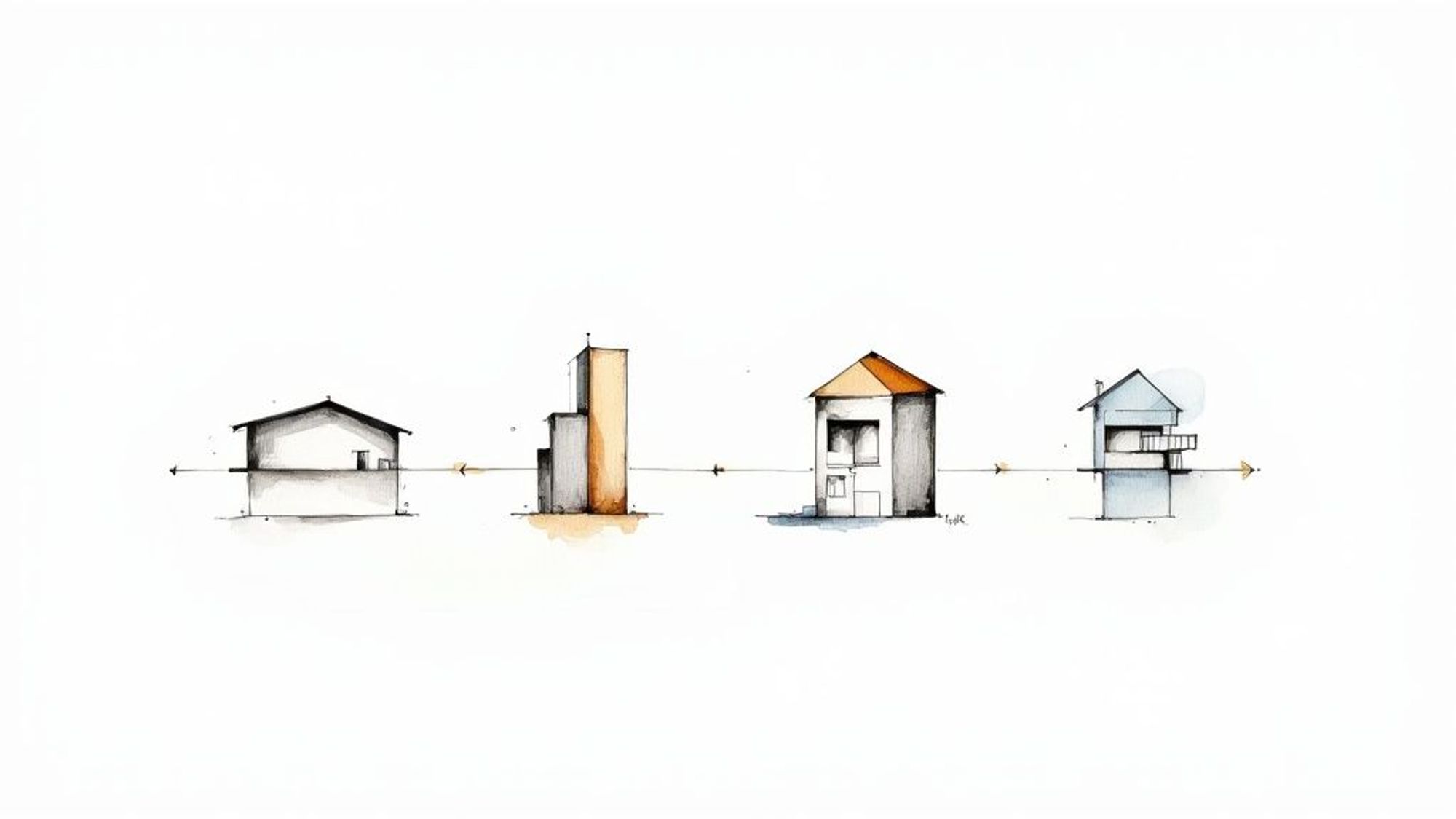
This group is at the top of the list because it connects your firm directly to paying clients. By focusing on the services you offer, like green design or home remodels, you attract the right people who are ready to start a project. This helps you find serious clients and avoid people who are just browsing.
How to Use Service-Based Keywords
The best way to use these keywords is to create separate pages on your website for each main service you offer. This gives people and search engines detailed information.
- Create Service-Specific Pages: Instead of one general "Services" page, make separate pages for "Home Design," "Commercial Buildings," and "Historic Remodels." This shows you are an expert in each area.
- Add Your Location: Local clients are very important. Add your city or "near me" to your keywords. For example, use "green architecture services in Portland" to show up in local searches.
- Showcase Your Work: On each service page, include photos and stories about past projects. If someone visits your "Restaurant Design" page, they should see great examples of restaurants you've designed.
- Use Simple Code (Schema): Add "Service" schema code to your pages. This code helps search engines understand what you do, which can help you show up better in search results.
This clear plan helps your firm appear in front of the right people at the moment they need your skills. For more tips on getting local clients, you can learn about creating local SEO landing pages.
2. Location-Based Architecture Keywords
For most architecture firms, clients are in the same city or region. This makes location-based keywords very important for getting new projects. These are search terms that include a place, like "architect in San Francisco" or "luxury home architect Miami." Using these terms is the fastest way to connect with local clients who are looking to hire someone.
This type of keyword is a must-have for any architect's online plan because it focuses on your local market. While general keywords are very competitive, local keywords have less competition and a better chance of turning into a job. A homeowner in Brooklyn isn't looking for a firm in Los Angeles; they need a local expert. Using your city and neighborhood in your keywords puts your firm right in front of them.
How to Use Location-Based Keywords
Using local keywords means more than just listing your city on your website. It involves showing that you are a trusted leader in your area.
- Update Your Google Business Profile: Your Google Business Profile is a key tool for local search. Make sure it is completely filled out with your correct address, service areas, and posts that include local keywords.
- Create Pages for Each Location: If you work in different areas, create separate pages for each one, like "Boston Commercial Architects" or "Cambridge Historic Remodels." This helps you show up for searches that combine a service and a location.
- Get Local Links: Try to get links to your website from local business groups, community websites, and local news. These links tell search engines that you are a trusted business in the area.
- Use Local Code (Schema): Add "LocalBusiness" schema code to your website. This helps search engines understand your location and services, which can make you more visible in local search results and on maps.
For architects targeting certain areas, a good local online plan is key. You can find many helpful Local SEO strategies for builders that also work for architects. To learn even more, check out this guide on keyword research for local SEO.
3. Architectural Style & Movement Keywords
Keywords about "Architectural Style & Movement" attract clients who already have a clear idea for their project. When someone searches for "modern home design" or "industrial loft architect," they know what look they want. These searchers have done their homework and are very good leads for your business.
This group is important because it connects you with clients on a creative level before you even talk. By showing your skill in styles like minimalism or green design, you present your firm as the perfect choice for their dream project. This helps you stand out and attract clients who appreciate your design approach, making these some of the best architect keywords for building a strong brand.
How to Use Style-Based Keywords
The best way to use these keywords is by creating website content that shows your skill in different styles with both words and pictures. This builds trust and shows clients you can bring their vision to life.
- Organize Your Portfolio by Style: Create separate pages in your portfolio for "Modern Homes," "Minimalist Rooms," or "Green Buildings." This makes it easy for clients to find work that is relevant to them.
- Write Helpful Blog Posts: Create content that talks about different design styles. For example, you could write a post comparing modern and contemporary design or a guide on how to get an industrial look in a home.
- Create Inspiration Guides: Make pages with lots of pictures for popular styles. Use high-quality photos and drawings to show how your firm creates styles like Art Deco or nature-inspired design.
- Describe Your Images: When you upload photos of your work, use descriptive "alt text." For example, instead of "house.jpg," use "modern-green-home-design-austin.jpg." This helps your images show up in search results.
This approach not only helps you show up for niche searches but also establishes your firm as a creative leader.
4. Building Type & Project Category Keywords
Focusing on certain building types and project groups helps you connect with clients who need special skills. Keywords like "healthcare architecture design" or "hotel architecture" are used by clients who know exactly what they need. Using these terms shows you are an expert in a certain area, which is a great way to attract valuable projects.
This keyword group is important because it matches your marketing with your firm's main strengths. If you are great at designing schools or mixed-use buildings, these are among the best architect keywords to attract your ideal clients. This method filters out unrelated questions and brings in leads who value your specific experience.
How to Use Building Type Keywords
The key is to prove your expertise in each area you target. Creating content focused on each project type shows your authority and brings in the right kind of web traffic.
- Create Industry-Specific Portfolio Pages: Instead of one portfolio, make separate pages for "Retail Space Design," "School Buildings," and "Healthcare Offices." Each page should have relevant projects and detailed stories about them.
- Write Blog Content for Different Sectors: Write articles about the unique challenges and trends in each industry. For example, a post called "5 New Ideas in Modern School Design" will attract clients looking for a school architect.
- Showcase Your Certifications: If you have special certifications like LEED (for green buildings), feature them on pages related to those topics. This builds trust and shows you have special knowledge.
- Create Detailed Case Studies: Go beyond just pictures. Write in-depth stories that explain the project's goals, your design steps, and the great results for clients in areas like hotels or commercial real estate.
This targeted content plan can be used for many different building types. For firms that want to create many specific pages quickly, learning about programmatic SEO can be very helpful. You can learn more about how programmatic SEO can scale your content creation and help you succeed in niche markets.
5. Problem-Solution Architecture Keywords
Keywords that talk about specific problems are a great way to connect with clients who have an urgent need. These problem-solution keywords, like "small space design ideas" or "energy efficient home design," attract people who are not just looking for an architect; they are looking for an expert to solve their problem. This makes them some of the best architect keywords for getting highly motivated clients.
This group is important because it shows your firm is a specialist and a problem-solver. When a client searches for a solution to their issue, like getting more natural light or meeting disability access rules, finding content that directly addresses their problem builds instant trust. It shows you understand their challenges and have the skills to get the job done right.
How to Use Problem-Solution Keywords
The goal is to create helpful content that serves as a valuable resource for your target audience. By providing answers and showing your expertise, you attract clients who already know they need professional help.
- Create Detailed Solution Guides: Write blog posts or guides that cover common problems. A post called "How to Get More Natural Light in Your Home" directly targets a client's problem and presents your firm as the solution.
- Develop "Before and After" Stories: Visually show how you solve problems. A story showing how you turned a small, poorly designed kitchen into a beautiful, open space is very convincing.
- Target Niche Problems: Go beyond general topics. Address specific issues like "soundproofing for open offices" or "designing a wheelchair-accessible bathroom" to attract commercial or specialized clients.
- Offer a Free Consultation: Use your content to get new leads. End your problem-solving articles with a call to action offering a free meeting to discuss their project needs.
This approach helps you show up for more specific, long-tail keywords and establishes your firm as a trusted authority. You can find more tips for creating this type of content in guides on SEO content optimization.
6. Sustainable & Green Architecture Keywords
Keywords focused on "Sustainable & Green Architecture" are becoming more and more popular. These terms are used by a growing number of clients who care about the environment and energy savings. When someone searches for "LEED certified architect" or "passive house design," they are looking for a firm that shares their values. This makes these some of the best architect keywords for firms that specialize in eco-friendly design.
This group is important because it connects your firm with modern building ideas and attracts clients who are willing to invest in high-quality, future-proof designs. By using keywords related to green building, you present your firm as a leader in a market where sustainability is now a core expectation. This focus helps you connect with clients who value quality, new ideas, and protecting the environment.
How to Use Sustainable Keywords
To reach this audience, you need to show your green building skills and knowledge across your website. This means creating content that teaches clients and proves your firm's ability in sustainable design.
- Create a Sustainability Section: Build a part of your website just for sustainability. Create pages for topics like "Net-Zero Energy Homes," "Passive House Basics," or your method for using "Green Building Materials."
- Highlight Your Certifications: If your team has credentials like LEED AP or Certified Passive House Designer, display these badges clearly. Mentioning you are part of groups like the USGBC also builds trust.
- Show, Don't Just Tell: Create detailed case studies for your green projects. Go beyond looks and include real numbers like energy savings and reduced carbon footprint to show the real impact of your designs.
- Write Educational Blog Posts: Publish articles that explain complex topics in simple ways. For example, write a post titled "What is a Passive House?" or "The Benefits of Green Roofs." This shows you are an authority and attracts people who are still in the research phase.
7. Technology & Tools Architecture Keywords
Keywords about architectural technology and software are very important for modern firms. Terms like "BIM architecture services" or "3D architectural rendering" attract clients who value new ideas and efficiency. When someone searches for "virtual reality architecture tour," they are looking for a firm with advanced visualization tools. This makes these some of the best architect keywords for showing you have a competitive advantage.
This group is on the list because it appeals to a tech-friendly audience and shows your firm is up-to-date. Highlighting your skills in tools like BIM, CAD, and VR sets you apart from others and attracts projects that may need complex digital work. These keywords connect you with clients who understand the value of accuracy, visualization, and modern design, which often leads to bigger and more exciting projects.
How to Use Technology-Based Keywords
To use these keywords well, you need to do more than just list the software you use. You need to show your tech skills and explain how they benefit your clients' projects.
- Create Tech-Focused Content: Write blog posts or service pages explaining your process with certain tools. For example, a page titled "Our BIM Process for Commercial Projects" can attract very good leads.
- Show, Don't Just Tell: Your portfolio is the perfect place to show off your tech skills. Include 3D models, animations, and video tours of your designs. Creating a "Virtual Reality Tours" section can be a great way to attract clients.
- Target Specific Tool Keywords: Use terms related to the software you are best at, such as "parametric design" or "architectural visualization." This helps you attract clients with specific needs.
- Offer Tech-Enabled Meetings: Promote services like "remote VR design meetings." This not only shows your skills but also expands your client base beyond your local area.
8. Price & Service Level Architecture Keywords
Keywords related to price and service level are key for attracting clients who fit your business model. Clients often have a budget and service scope in mind, using terms like "luxury home architect" or "affordable architecture services" to find the right fit. Using these keywords helps you connect with people whose expectations match what you offer.
This group is important because it helps sort the market and makes finding clients smoother. When you are open about different service options, you attract clients who are looking for both great design and a firm that fits their budget. This honesty builds trust from the start and is a key part of a good keyword list.
How to Use Price & Service Level Keywords
Using these keywords well means clearly defining your service packages and explaining their value on your website. This approach helps manage client expectations and shows your firm's flexibility.
- Create Service Tier Pages: Make separate pages for different service levels, such as "Full-Service Architecture," "Design-Build Solutions," or "Architectural Consultations." Clearly list what is included in each package.
- Develop Case Studies for Each Level: Show projects that fit different budgets. For your "luxury" option, feature high-end custom homes. For an "affordable" option, show a smart, budget-friendly remodel.
- Use Clear Language: Don't be afraid to use terms like "budget-friendly" or "premium design" on your pages, blog posts, and in your site descriptions. This helps search engines and people understand who you serve.
- Offer Flexible Service Packages: Present your services in a way that lets clients choose what they need. For example, you might offer a design-only package versus a full project management service to meet different needs and budgets.
9. Comparison & Best-Of Architecture Keywords
Keywords that include words like "best," "top," or "vs." are great for attracting clients who are researching their options. When someone searches for "best home architects in Miami" or "architect vs. building designer," they are weighing their choices and looking for a top-quality option. Using these competitive terms presents your firm as a leader in the field.
This group is important because it attracts an audience that wants the very best. These people are not just looking for any architect; they are looking for the best one for their project. By showing up in these search results, you join the conversation at a key decision-making moment. This builds your credibility and trust before they even visit your website.
How to Use Comparison & Best-Of Keywords
To rank for these competitive terms, you need to create content that shows your firm’s expertise and high quality. This means building social proof and producing content that directly answers comparison questions.
- Create Helpful Comparison Content: Write blog posts or guides that compare different roles, like "Architect vs. Interior Designer," or different design styles. This shows your knowledge, helps clients, and positions you as a trusted advisor.
- Showcase Award-Winning Projects: Make a section on your website to highlight your award-winning work. This provides real proof to support claims of being one of the "best architects" in your area.
- Get Listed in Industry Directories: Try to get listed in well-known directories like Houzz, Architizer, or local business rankings. These sites often show up for "best of" searches and can send great leads your way.
- Seek Out Design Awards: Winning industry awards is a powerful way to show your firm's quality. Promote these wins on your site and in your marketing to reinforce your top-tier status.
10. Question-Based & Intent-Driven Architecture Keywords
Not every client starts their search by looking for a service. Many begin with questions, and reaching this early-stage audience is a great long-term plan. Keywords in the form of questions, such as "how much does an architect cost" or "do I need an architect," target people at the beginning of their journey. This presents your firm as a helpful, knowledgeable resource. These are some of the best architect keywords for building trust and brand awareness.
This group is important because it focuses on the user's need to learn. By providing clear, complete answers to common questions, you attract visitors who are not ready to hire yet but will be in the future. When they are ready to start, your firm will be the first one they think of because you were the one who helped them.
How to Use Question-Based Keywords
The goal is to become the main source of architectural information in your field. You can do this by creating content designed to answer your audience's biggest questions through blog posts, FAQ pages, or resource centers.
- Create FAQ Pages or Blog Posts: Write content that answers common client questions. A blog post titled "What Does an Architect Actually Do?" can bring in a lot of search traffic and teach potential clients.
- Format for Top Search Spots: Structure your answers clearly. Start the page with a short, direct answer to the main question before going into more detail. This improves your chances of being featured at the top of Google's results.
- Use Question-Based Headings: Organize your content with headings that match the search questions exactly, like "How Do I Choose the Right Architect?"
- Develop In-Depth Guides: For complex questions like "What is Sustainable Architecture?," create downloadable guides or detailed articles. This shows your expertise and can be a great tool for getting leads.
- Use Simple Code for Questions: Add "FAQPage" schema code to your relevant pages. This special code helps search engines understand your Q&A format and can help your content show up better in search results.
Answering questions not only helps with search engines but also prepares your content for new tools like AI chatbots. To learn more, you can read about how to appear in ChatGPT answers.
Top 10 Architect Keywords Comparison
Category | How Hard to Set Up | Resources Needed | Expected Results | Best For | Key Benefits |
|---|---|---|---|---|---|
Architectural Services & Design | Medium — service pages & case studies | Moderate — portfolio, content updates | High conversion; direct client leads | Firms targeting immediate service customers | Targets serious clients; clear return |
Location-Based Architecture Keywords | Medium-High — location pages & Google profile | Moderate-High — local listings, links | More local calls & map visibility | Local firms targeting specific areas | Improves local ranking; less competition |
Architectural Style & Movement Keywords | Low-Medium — style pages and pictures | Moderate — high-quality images | Attracts clients with a style preference | Studios promoting a certain look | Stands out from others; builds authority |
Building Type & Project Category Keywords | High — industry-specific content | High — case studies, industry connections | Larger business projects; higher value | Firms in healthcare, hospitality, education | Positions as an expert; higher value leads |
Problem-Solution Architecture Keywords | Medium-High — helpful guides & examples | High — expert content, case studies | Good conversion from specific problems | Clients with clear functional challenges | Shows practical skills; trusted advisor leads |
Sustainable & Green Architecture Keywords | Medium — certification and impact content | High — certifications, green metrics | Premium leads; growing market | Firms focusing on green building | Justifies premium pricing; future-proofs |
Technology & Tools Architecture Keywords | Medium — demos, tech showcases | High — software, VR/3D tools | Attracts tech-savvy clients | Practices using BIM, VR, modern design | Stands out; enables new partnerships |
Price & Service Level Architecture Keywords | Low-Medium — tiered service pages | Moderate — pricing info, case studies | Better client fit; less confusion | Firms with clear pricing options | Sets expectations; attracts right clients |
Comparison & Best-Of Architecture Keywords | High — long, authoritative content | High — research, PR, directory listings | High visibility; builds brand awareness | Brand awareness, thought leadership | High traffic potential; competitive edge |
Question-Based & Intent-Driven Keywords | Low — FAQ and short answer pages | Moderate — optimized content | Educates clients; builds long-term trust | Early-stage researchers; voice search | Can appear at top of search; builds trust |
Putting Your Keyword Blueprint into Action
We've covered a complete plan for the best architect keywords, going beyond general terms to the specific language your ideal clients use. From basic service keywords like "home architect" to specific searches like "cost to build a passive house," you now have a powerful set of tools. This guide has shown that a good keyword plan isn't about one magic phrase; it's about using a variety of keywords that cover every step of your client's decision-making process.
The real key is to understand why someone is searching. A person looking for "modernist architecture examples" is in a different frame of mind than someone searching for "local architect for home addition." By matching your content to these different needs, you turn your website from a simple online brochure into a helpful resource that attracts and wins over good clients.
Your Immediate Next Steps: From List to Action
Having a list of keywords is like having a pile of bricks without a building plan. The next step is to start building. Here’s a clear, simple path to turn this knowledge into real results for your firm.
- Step 1: Review Your Keywords. Before adding anything new, see where you are now. Make a simple list of your most important pages (homepage, service pages, portfolio). What keywords do they currently use? Do they match the types we've discussed? This quick check will show you your biggest opportunities.
- Step 2: Pick Your Main Categories. You can't do everything at once. Choose two or three keyword categories from this article that best fit your firm's skills.
- If you're a local firm known for a certain style, start with Location-Based and Architectural Style keywords.
- If you specialize in commercial projects, focus on Building Type and Problem-Solution keywords.
- Step 3: Match Keywords to Content. Assign your chosen keywords to specific pages on your website. Important service keywords belong on your service pages. Question-based keywords are perfect for blog posts or FAQ sections. Each keyword should have a home on your site.
- Step 4: Create and Improve Content. Start making content that genuinely helps your audience. Write a blog post answering, "What are the benefits of green design?" Create a detailed portfolio page for a "historic home remodel," using that exact phrase. Make sure to put your target keyword in the page title, headings, and naturally within the text.
The Lasting Impact of a Strategic Keyword Plan
Mastering the best architect keywords is more than just an online marketing task; it's a core business strategy. When you match your online presence with the exact needs and questions of your target audience, you stop chasing clients and start attracting them. You build authority, earn trust before the first phone call, and ensure that when a client is ready to invest in their dream project, your firm is the first one they find.
The effort you put in today to build this keyword-focused foundation will benefit you for years to come. It will bring a steady stream of high-quality leads, fill your project pipeline with work you enjoy, and establish your firm's position as a leader in your market. Your architectural vision deserves to be seen. Now, you have the plan to make sure it is.

I’m an experienced SEO professional with over a decade of helping over 100 businesses rank higher online, especially local businesses, e-commerce stores and SaaS. As the co-founder of LPagery, I specialize in practical, proven strategies for regular SEO and Local SEO success.
This post may contain affiliate links which we earn a commission on when purchasing a given product.
I’m an experienced SEO professional with over a decade of helping over 100 businesses rank higher online, especially local businesses, e-commerce stores and SaaS. As the co-founder of LPagery, I specialize in practical, proven strategies for regular SEO and Local SEO success.