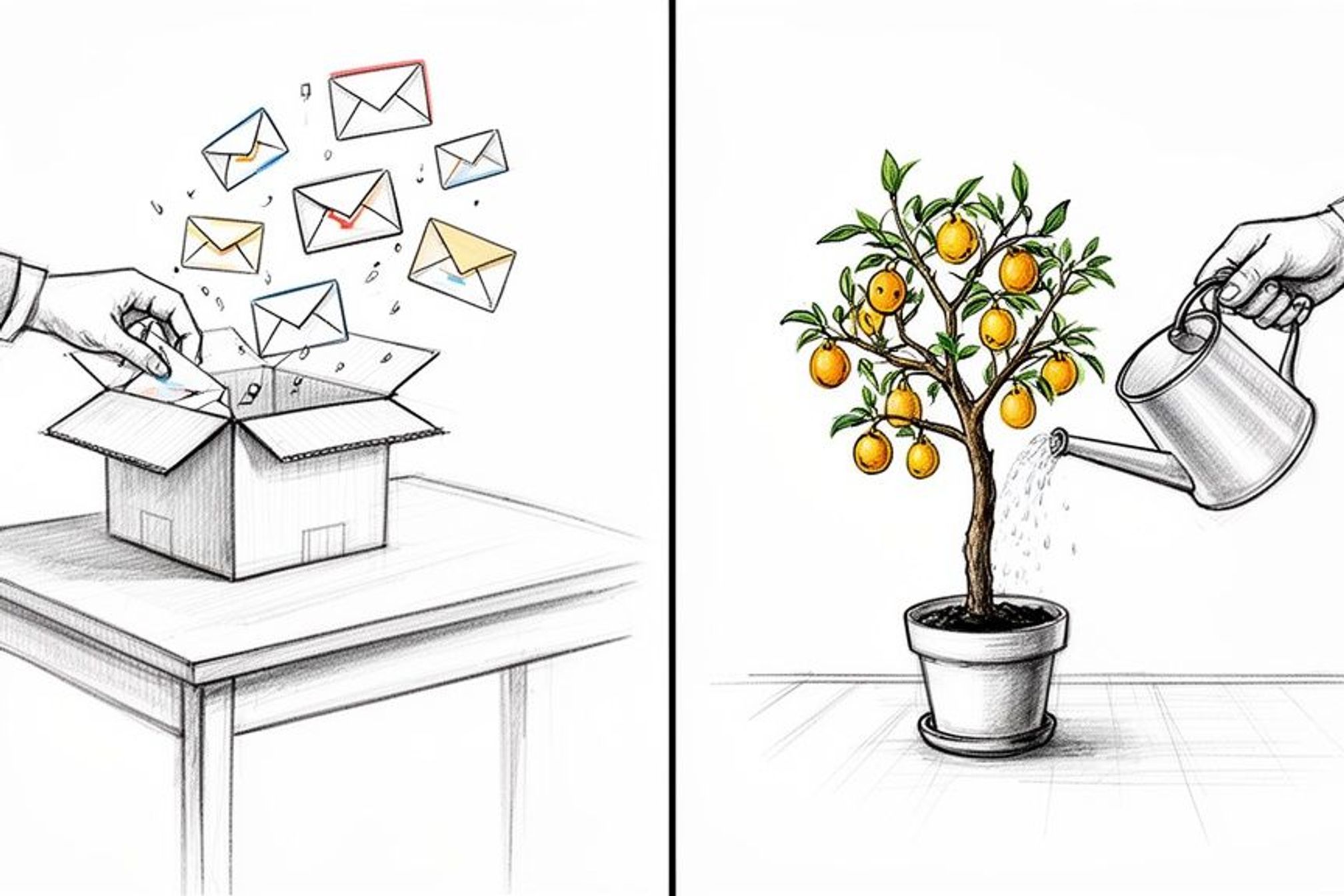
Looking for web design leads for sale can feel like searching for an easy way to grow your business. The idea is simple: you pay a company for a list of possible clients—businesses or people who might need a new website. This lets you skip the hard work of finding them yourself.
What Are Web Design Leads for Sale Anyway?
Think of it like buying a meal kit for your business. Instead of spending hours at the store looking for ingredients (finding clients), you pay someone to pack everything up (the possible clients) and bring it to your door. You get a list with names, emails, and phone numbers, ready for you to start calling.
In this case, a "lead" is just the contact info for someone who has either shown interest or fits the perfect profile of a client needing your design skills. The main reason to buy these lists is speed. For a new agency or a freelancer trying to grow, it seems like the fastest way to get more work.
But here’s the problem: not all leads are the same.
Why Quality Matters So Much
The quality of the leads you buy is the difference between a list of good conversations and a spreadsheet of dead ends. A great website is a must-have first impression for most businesses. In fact, a huge 75% of people judge a company's trust based on its website design, which shows just how important our work is.
A good lead has a few key things:
- Correct Contact Information: The name, email, and phone number actually work.
- Real Interest: The person has really shown they need a website soon.
- A Good Fit: The business is the type you actually want to work with.
On the other hand, low-quality leads are a huge waste of time. You’ll find old information or people who have no idea why you're calling them. Getting these basics right is the first step in figuring out if buying leads is a smart move for your business. For more on getting clients, check out our guide on marketing for small business.
How to Tell Good Lead Sellers from Bad Ones
Finding a good source for web design leads can feel like walking through a minefield. Some sellers are truly great partners, while others just sell old, used contact lists to you and a dozen other agencies. Telling them apart is the most important step.
The main difference is simple: good sellers give you fresh, exclusive leads, and bad sellers resell old information. Think of it like buying fruit. A good seller is the local farmer's market with fresh, quality goods. A bad seller is a dusty store shelf with canned food that is long past its sell-by date.
This decision chart below can help you see if buying leads or building your own system is the right first step for your agency.
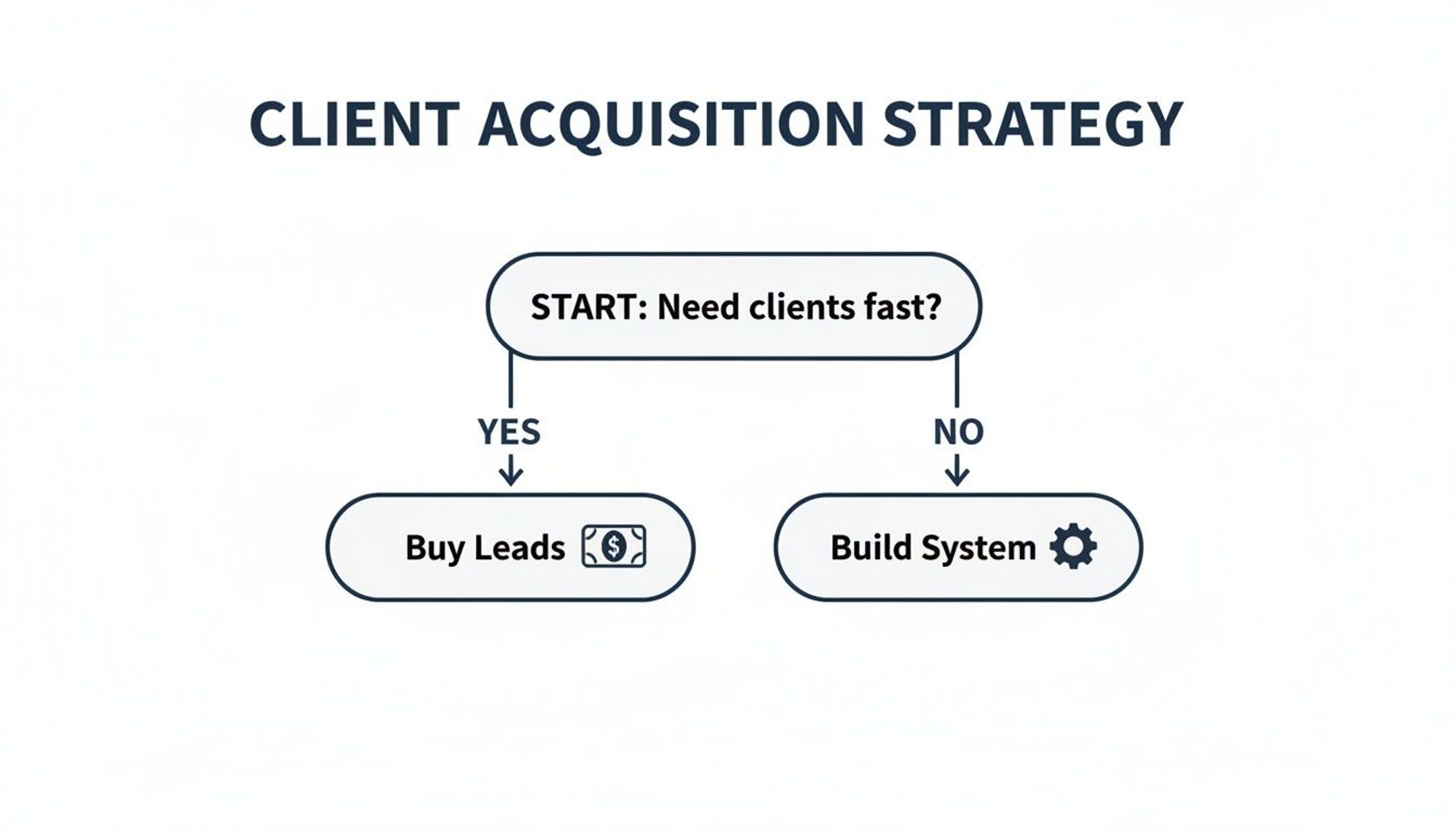
As the chart shows, there's a clear choice. If you're in a tough spot and need clients now, buying leads can be a good short-term fix. But for steady, long-term growth, nothing is better than building your own system.
Key Questions to Ask Any Lead Seller
Before you spend any money, you need to do a little detective work. Ask a few direct questions to check out any company selling web design leads. Their answers (or lack of answers) will tell you everything you need to know.
Here are the questions you must ask:
- Where do your leads come from? A good seller will be happy to explain how they get leads. They’ll talk about their own marketing work, like search engine optimization (SEO), paid ads, or partnerships. Vague answers are a big red flag.
- Are these leads only for me? This is a must. If they sell the same lead to five other agencies, you're just paying to get into a price war. You need exclusive leads that are sent only to you.
- How do you check your leads? Ask about their process. What steps do they take to make sure a lead is real? Do they check the contact information? Do they talk to the person to confirm they are actually looking for web design services right now?
A quality lead seller acts more like a partner than a simple data seller. They should want you to succeed because that means you'll stay their customer.
This table is a quick guide to help you spot the difference between a good lead seller and a risky one. Use it to rate potential sellers before you buy.
Comparing Lead Seller Quality Signs
Quality Sign | What to Look For (Good Seller) | Red Flag (Bad Seller) |
|---|---|---|
Lead Source | Is open about using SEO, ads, or their own websites. | Vague answers like "our network of partners." |
Exclusivity | Promises leads are sold only to you. | Sells leads to many buyers; no exclusivity. |
Qualification | Has a clear, multi-step checking process. | Little to no checking; sells raw contact info. |
Pricing | Price matches quality and exclusivity; not dirt cheap. | Unbelievably low prices (e.g., $5-$10 per lead). |
Contract | Offers flexible terms or a trial period. | Locks you into a long-term, strict contract. |
Reviews | Positive, real reviews from other agencies. | No reviews, or only generic, fake-sounding ones. |
A seller that checks the "Good Seller" boxes is worth looking into. If you see more than one red flag, it's best to walk away.
Understanding Common Pricing Models
Pricing can also give you clues about a seller's quality. Most use a pay-per-lead model, where you pay a set fee for each contact. Simple enough. But the cost can be very different based on the lead's quality and if it's exclusive. A cheap lead is almost never a good lead.
High-quality, exclusive leads can be a great way to start growing. Over the long term, however, most successful agencies find that the best path is getting their own leads. Learning how to improve local SEO rankings is the perfect first step toward building a client-finding machine that you own and control.
The Hidden Dangers of Buying Web Design Leads
Buying leads can feel like an easy way to get a full schedule. Who wouldn't want a steady flow of projects without the hard work of marketing? But this easy path often comes with serious hidden costs. Buying web design leads for sale is rarely as smooth as sellers claim.
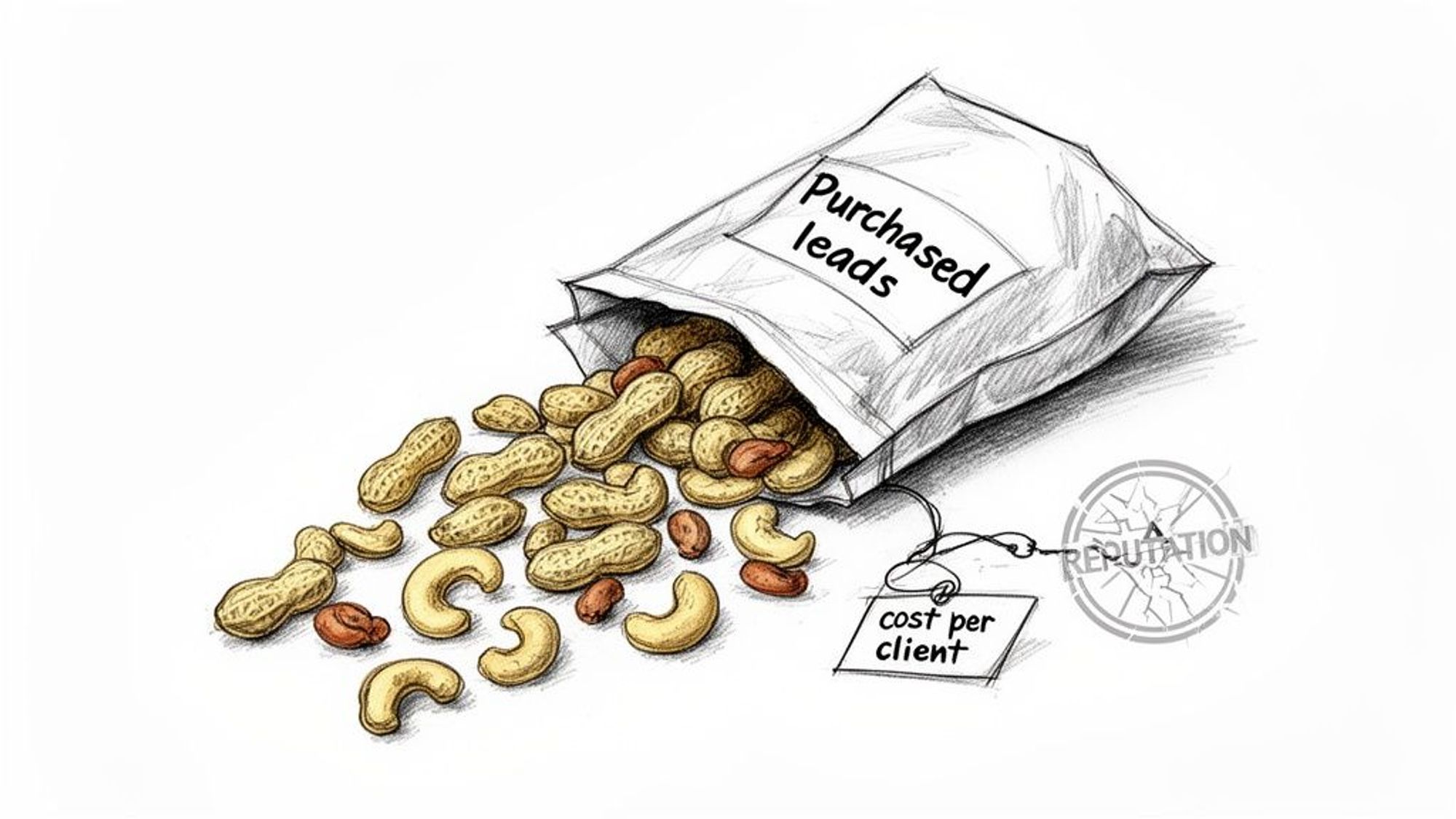
The simple truth is that many purchased leads never turn into paying clients. This can make your cost to get a client go way up, meaning you're spending a lot more money for each project you actually land. It's like buying a big bag of mixed nuts hoping for cashews, only to find it’s mostly peanuts you didn't want.
The Problem with Cold Contacts
One of the biggest issues is the lead itself. Most of these are "cold," which is a nice way of saying the person you're contacting has no idea who you are and never asked to hear from you. You're just an unexpected interruption, which puts you in a tough spot from the start.
This creates a few common problems:
- Low Interest: They have no connection to your brand, so your well-written emails get ignored, and your calls are met with confusion or annoyance.
- Price Shopping: Because these leads are often sold to many agencies, you're pushed into a race to be the cheapest. The conversation quickly becomes about who costs less, not who does the best work.
- Damage to Your Name: Constantly cold-calling and emailing people who didn't ask for it is a fast way to be labeled as spam. This can hurt your agency's good name and make it harder to attract good clients later.
The real risk of buying leads isn't just the money you waste on the ones that go nowhere. It's the slow damage to your brand's reputation with every cold call or email that fails.
Are You Really Getting What You Paid For?
Even if a lead looks good on paper, you have no real way of knowing its quality or if it's only for you. Many lead companies sell the same list to dozens of agencies. This starts a mad rush that drives down project prices for everyone.
And while buying lists might give you a short-term boost in activity, it does absolutely nothing to build a lasting, valuable asset for your business.
Think about it this way: a huge 89% of marketers use email marketing, which can bring in an amazing $42 for every $1 spent. But that success relies on having a great website and landing pages made to attract people who are truly interested—people who want to hear from you. You can learn more from these lead generation statistics and trends to see the full picture.
In the end, getting your own leads isn't just more effective; it's how you build a reliable and profitable way to grow.
A Better Way to Get Clients: Getting Your Own Leads
Constantly paying money for lead lists feels like you're stuck on a treadmill. You spend, you chase, you do it all over again. What if you could build a system that brings interested clients right to you—automatically and without paying for them over and over?
That's the power of getting your own leads.
Instead of hunting for business, you make your business easy to find. Think of it like planting a fruit tree instead of going to the store every week. It takes some work at the start to plant and care for it, but soon enough, you have a steady source of high-quality fruit for years. Building your own lead system is the same idea; it's a valuable, long-term asset for your agency.
Shift from Buying to Attracting
The main idea here is to move from outbound marketing (chasing people) to inbound marketing (letting them find you). Instead of using bought leads, try solid marketing agency lead generation strategies. This lets you build a stream of clients that doesn't stop when you stop paying.
This means creating truly helpful content that answers the questions your ideal clients are already typing into Google.
When a local plumber searches for "web designer for tradesmen" or a restaurant owner looks up "how much does a restaurant website cost," your website should be there with the answer. This approach right away makes you look like a helpful expert, not just another salesperson. The leads you get this way are better, more qualified, and they already trust you because you've helped them.
And this isn't just a nice idea; it gets real results. Businesses that work on their websites and blog regularly see a huge 67% increase in monthly leads compared to those that don't.
Simple Ways to Start Getting Leads
You don’t need a huge marketing budget or a big team to get started. A few simple, focused actions can make a huge difference in attracting clients who are actively looking for what you do.
Here are a few powerful ways to get started:
- Local SEO: This is all about setting up your site so you show up when local businesses in your city need a designer. It's one of the fastest ways to get relevant, interested people to your website.
- Helpful Blog Content: Write articles that solve real problems for your target clients. Think about topics like "5 Signs Your Small Business Needs a New Website." This kind of content attracts business owners right when they're thinking about your services.
- Lead Magnets: Offer a valuable freebie, like a checklist or a simple guide, in exchange for an email address. You can even get creative and learn how to use calculators as lead magnets to draw in potential clients.
By investing in these kinds of assets, you're building a reliable system that works for you 24/7. It brings in the right kind of web design leads, without the ongoing cost and worry of just buying them.
Building Your Own Lead Generation Machine
So, instead of always paying for web design leads for sale, what if you could build your own engine that brings clients directly to you? This isn't just a dream. It's about changing your focus from renting attention to owning a real marketing asset that works for you all day, every day.
The secret is to create a website that speaks directly to the needs of potential clients in different industries and locations. That might sound like a lot of work, but the right tools can make it surprisingly simple and easy to scale, even if you’re not a marketing expert.
Grow Your Reach Without Growing Your Workload
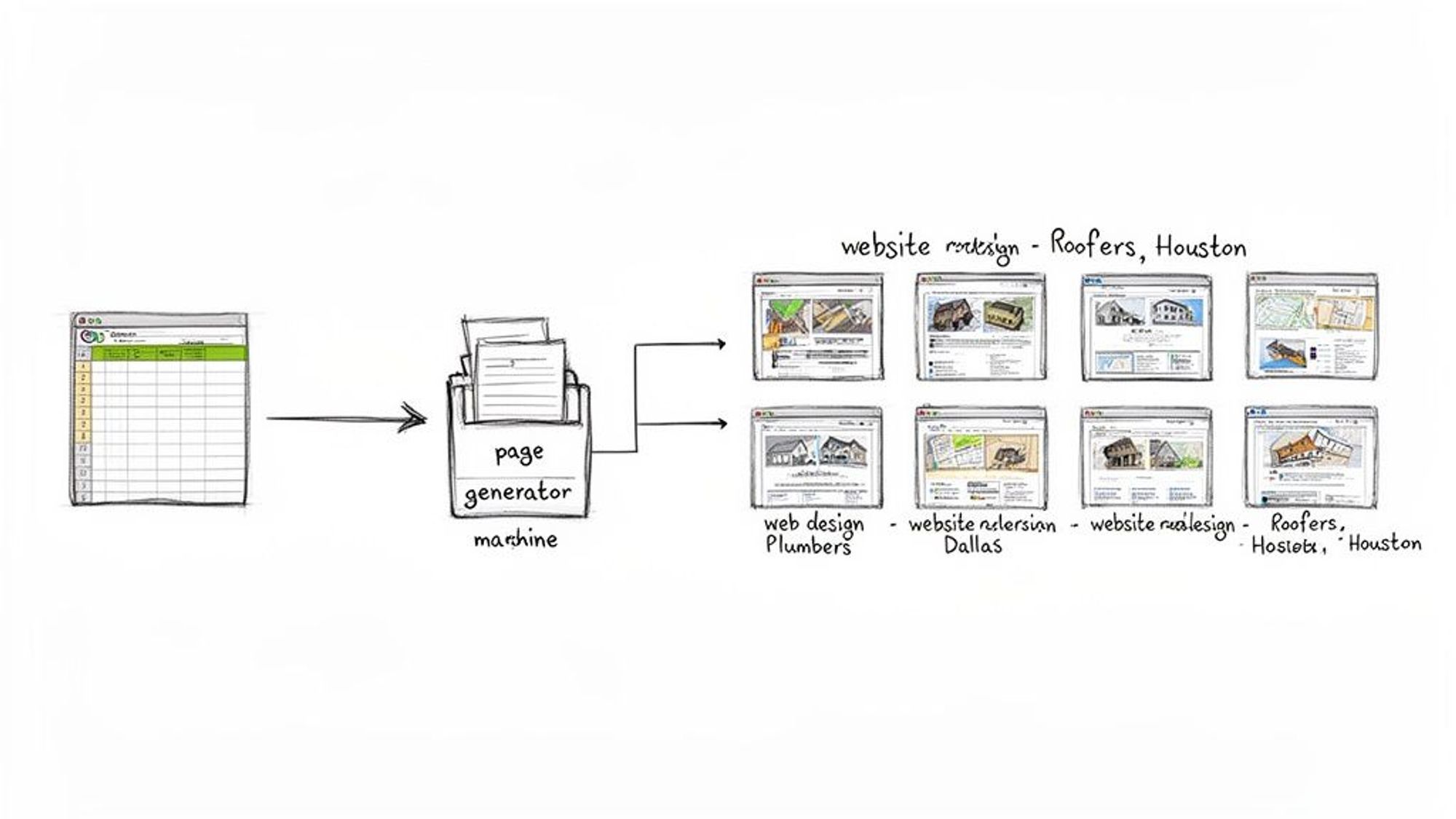
Imagine creating hundreds of unique, search-friendly pages for every single service and city you want to target—all managed from one simple spreadsheet. This is exactly where a tool like LPagery comes in. It lets you automatically create very specific pages that match a potential client’s exact search.
For example, you could instantly create pages like:
- "Website redesign for roofers in Houston"
- "New website design for plumbers in Dallas"
- "E-commerce site for clothing stores in Austin"
Each page is made for a specific audience. This is great for ranking high in search results for those valuable, specific search terms. When a business owner searches for a local web designer in their industry, you're the one they find. This creates a predictable, steady stream of high-quality leads that you own completely.
Building a system that gets its own leads is the difference between renting an apartment and owning a home. One needs constant payments to keep, while the other builds long-term value and security for your business.
Putting the Pieces Together for Success
Of course, just creating the pages is only half the job. They also need to turn visitors into actual leads. A good starting point is making sure your own website is a lead-getting powerhouse. Check out these 10 Must-Have Features For Your Web Development Business Website to make sure your foundation is solid.
Good page design is also key for turning that website traffic into paying clients. You don't have to start from scratch. You can find plenty of ideas from proven WordPress landing page templates to make sure your pages are set up to get leads right away.
By combining automatic page creation with smart design, you can save tons of hours while building a reliable machine that consistently brings new clients to your door.
Your Simple Plan for Getting More Web Design Clients
Figuring out how to get a steady stream of clients can feel complicated, but it doesn't have to be. Instead of getting stuck, let's walk through a clear, simple plan to attract better clients and grow your business your own way. This guide will give you the confidence to move forward, whether you decide to try buying leads or focus on building your own marketing system.
First, take a quick look at where your clients are coming from right now. Are they mostly from referrals? Do they find you through a Google search? Knowing what’s already working gives you a solid place to start. This is just a quick check to see your strengths and find any gaps.
Your Step-by-Step Roadmap
With that in mind, it's time to create a simple, doable plan for the next few months. This isn’t about trying to do everything at once. It’s about small, steady steps that add up over time.
Here’s what that could look like:
- Test a Lead Seller (If You're Curious): If you decide to try buying web design leads for sale, be smart about it. Use the checklist from earlier to check out sellers carefully. Start with a small test budget—money you can afford to lose. Treat it just as an experiment to see what you get, not as a magic fix.
- Make Time for Your Own Marketing: This is a must. Set aside just a few hours every single week to work on your own lead-getting efforts. That could mean writing one truly helpful blog post, improving a page on your website for a local search term, or finally updating your portfolio with that great case study you've been putting off.
- Build Your Marketing Toolkit: You need the right tools to make this whole process easier. For instance, you can check out the best WordPress plugins for agencies to help with everything from SEO to talking with clients. Small improvements here save you a lot of headaches later.
Building your own client pipeline is a direct investment in your agency's future. Every blog post you publish and every page you improve becomes a permanent asset that works for you 24/7.
By following these simple steps, you start to shift from chasing clients to attracting them. This approach puts you in control, creating a steady and predictable flow of high-quality leads that will help you grow for years.
Frequently Asked Questions
Still have questions about finding web design clients? You're not alone. Let's clear up a few of the most common questions agencies and freelancers have when they're trying to grow.
How Much Do Web Design Leads Cost?
The price for a single web design lead can be all over the place, from $20 to over $200. Why such a big difference? It really comes down to quality and if the lead is exclusive.
Most of the cheaper leads are sold to a few agencies at the same time. This means you're right away in a price war with your competitors. The more expensive, exclusive leads cost more for a reason—they are sent only to you, and they've already been checked. Trust me, a cheap lead is almost never a good deal in the long run.
Should New Agencies Buy Web Design Leads?
If you're just starting out, buying web design leads for sale feels like an easy way to get going. It can definitely help you get those first few clients and start building your portfolio. But it's a risky move if you don't have a lot of money to spend.
Buying leads is like renting an audience. It's fast, but it's temporary. Building your own marketing is like buying a house—it's an asset that creates long-term value and security.
If you decide to try it, treat it like an experiment and start with a very small budget. Honestly, a smarter move is to invest that same money into your own marketing, like a great website and a blog that actually helps people. That's what will keep attracting clients for years.
How Long Does It Take for SEO to Generate Leads?
Unlike buying leads, SEO is not a magic button for instant results. Think of it more like planting a tree—it needs a little time to grow before you see the fruit.
For a local SEO plan, you can generally expect to see some first results within 3 to 6 months. If you're trying to rank for more competitive national search terms, it will take longer. It definitely takes patience, but the leads you get from SEO are often much better. These are clients actively looking for what you do, and they find you as the expert. The wait is almost always worth it for the steady flow of clients it creates.

I’m an experienced SEO professional with over a decade of helping over 100 businesses rank higher online, especially local businesses, e-commerce stores and SaaS. As the co-founder of LPagery, I specialize in practical, proven strategies for regular SEO and Local SEO success.
This post may contain affiliate links which we earn a commission on when purchasing a given product.
I’m an experienced SEO professional with over a decade of helping over 100 businesses rank higher online, especially local businesses, e-commerce stores and SaaS. As the co-founder of LPagery, I specialize in practical, proven strategies for regular SEO and Local SEO success.