
A winning google ai overviews ranking strategy isn't about learning some secret AI language. It's about getting really good at the basic SEO you already know. Google's AI is designed to summarize the best-ranking pages, so becoming one of those top results is the best way to get featured.
Understanding Google AI Overviews
Imagine you ask a super-smart librarian for information. Instead of just pointing you to a row of books, she reads the top few, connects the dots, and gives you a quick, helpful summary right on the spot. That’s pretty much what Google AI Overviews do. They are AI-generated answers that pop up at the very top of your search results. They pull together information from several top-ranking websites to give you a fast answer.
This changes how people get information. For a simple question, they might get their answer directly from the AI Overview and never click a single link. But for more complex topics, these summaries act like a preview, with links pointing back to the original websites that provided the information. This opens up a powerful new way to get in front of your audience.
The following infographic breaks down how Google's AI acts like that smart librarian, pulling from top sources to build a quick overview.
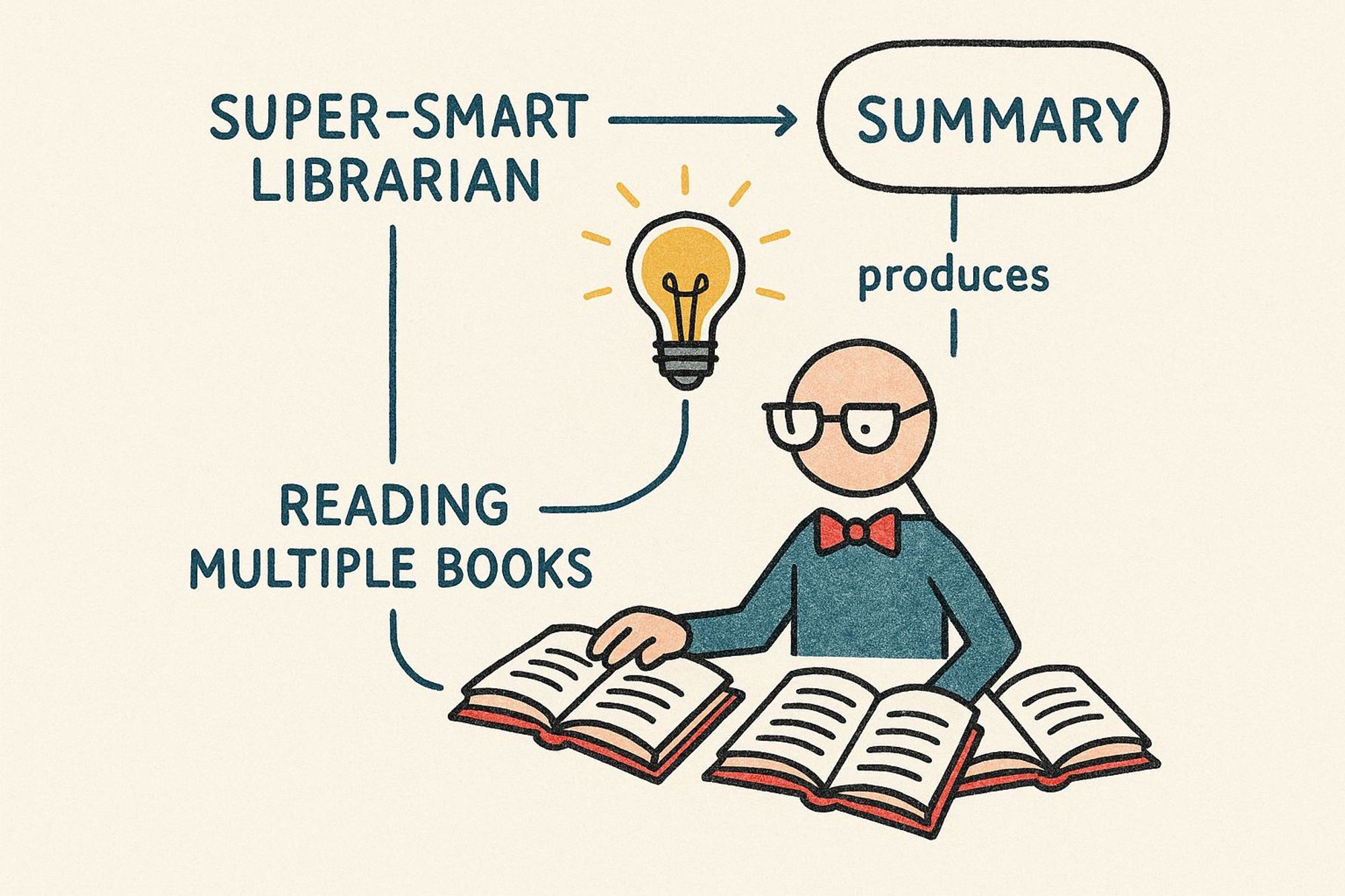
This visual drives home a key point: the AI isn't just making stuff up. It leans heavily on high-quality, existing content to piece together its summaries.
The Secret Isn't So Secret
Here's the most important thing to understand when building a google ai overviews ranking strategy: Google has not shared a secret formula for getting featured. There's no special tag or hidden trick to guarantee your content gets picked.
Luckily, the logic behind it seems refreshingly simple and familiar.
We believe the AI's job is to find and serve up the most reliable information possible. To do that, it looks at the websites that Google’s regular search already trusts, in other words, the ones already ranking on the first page. The AI pulls content from the best-ranking pages and summarizes it.
Think of it this way: If Google’s normal search already sees your site as a trusted source, you're automatically a top candidate for the AI to cite. The AI learns from the best, so your goal is to be the best.
This means that solid, basic SEO is more important than ever. You don’t need to throw out your current plan; you just need to focus on it more. Things like creating genuinely helpful content, building your site's reputation, and answering user questions directly are the building blocks for success here.
How AI Overviews Are Changing Search
The rise of AI Overviews has been incredibly fast. As of June 2025, they now appear in over 50% of all search results, making this one of the quickest rollouts of a major search feature in Google's history.
This growth really took off after a core algorithm update in March 2025, with some industries like entertainment and travel seeing increases of over 380%. What's really interesting is that longer, more specific questions, those with eight or more words, are seven times more likely to trigger an AI Overview.
This shift makes one thing crystal clear: creating detailed, helpful content is the name of the game. The AI is hungry for complete answers, and that presents a huge opportunity for anyone willing to put in the work. By focusing on quality, you’re not just optimizing for a machine; you’re creating a better experience for your human audience.
While AI Overviews are a new feature, the path to getting seen runs through the same tried-and-true principles of good SEO. For those curious about how AI is impacting search rankings more broadly, you might want to check out our guide on how to track rankings in Chat GPT.
Why Basic SEO Is Your Best Strategy
When a new feature like AI Overviews appears, it’s normal to feel like you need to throw out your old plan and start over. But here’s the good news: you don’t. In fact, your existing search engine optimization (SEO) efforts are not only still useful, they're your most direct path to getting featured.
Think of it this way: Google's AI is like a chef trying to cook the perfect meal. It's always going to reach for the freshest, highest-quality ingredients. In the search world, your content is the ingredient, and the AI is programmed to trust websites that Google already trusts. That means your main goal hasn't changed at all: become one of those trusted, top-ranking pages.
The Power of E-E-A-T
So, how do you become a source Google trusts? It all comes down to a concept called E-E-A-T. This isn't some new, complex system to crack; it's the guide Google has been using for years to judge the quality of a page.
E-E-A-T stands for:
- Experience: Do you have real, first-hand knowledge on the topic?
- Expertise: Can you prove you have the skills and understanding to be a believable source?
- Authoritativeness: Do others in your industry see you as a leader?
- Trustworthiness: Is your information accurate, honest, and reliable?
When your content consistently hits these four marks, you aren't just publishing a blog post, you're building a reputation. You're sending strong signals to Google that your site is a dependable source of information, one worthy of being highlighted in an AI summary.
Connecting the Dots to AI Overviews
The link between solid SEO basics and showing up in AI Overviews couldn't be more direct. Early studies have already shown that 52% of the sources mentioned in AI Overviews were already ranking in the top 10 organic results. This is no accident.
Google’s AI is designed to build upon its existing ranking system, not replace it. It relies on the same signals that have defined search quality for years. This means every single thing you do to improve your standard SEO directly boosts your odds of being featured in an AI Overview.
Your google ai overviews ranking strategy shouldn't be a separate project. It needs to be a part of your main SEO work. Every high-quality article you publish and every trustworthy link you earn is a step toward AI visibility.
This is actually great news. It means you don’t have to start from scratch. The hard work you’ve already put into creating helpful content, optimizing your site, and building your brand's authority is exactly what will set you up for success. While the search page might look a little different, the basic principles of earning a top spot are the same. Even as Google AI Overviews change how results are shown, the foundation of online visibility remains unchanged. Effective fundamental SEO tips for website design continue to be the engine that drives traffic and builds authority, ensuring your content gets seen no matter the format.
Proven Practices That Still Win
Focusing on SEO basics means doing more of what already works. Instead of chasing a brand-new, unproven set of rules, you can rely on time-tested strategies that deliver consistent results for both human readers and AI. For instance, creating pages in a very structured way makes it much easier for search engines to understand your content. You can see how this works on a large scale in our guide explaining what is programmatic SEO.
Here are the key areas to keep your focus on:
- Create genuinely helpful content: Always write for your audience first. Answer their questions clearly and completely, offering unique ideas they won't find on ten other websites.
- Match search intent: Figure out what a user is really trying to do. If they're searching for a "how-to" guide, give them a step-by-step tutorial, not a sales page in disguise.
- Build your site's authority: Earn links from other reputable websites in your industry. Think of these as "votes of confidence" that tell Google you are a trusted source people rely on.
By sticking to these core principles, you build a strong foundation that can handle any change Google throws your way. You're creating a website that is strong, trustworthy, and perfectly positioned to become a go-to source for AI Overviews.
How to Write for Both AI and People
Getting your content into AI Overviews means writing for two completely different audiences at once. On one hand, you have a human reader looking for helpful, interesting information. On the other, you have Google's AI, which needs clean, structured information it can easily understand and summarize.
Think of it like writing a recipe. For a person, it needs to be easy to follow, maybe with a nice photo and a personal story. For an AI, it needs a crystal-clear list of ingredients (your facts) and simple, numbered steps (your structure). The good news? The things that make content great for people are often the exact same things that make it great for AI.
A winning google ai overviews ranking strategy is all about clarity. The easier you make it for Google's AI to understand your content, the more likely you are to be featured as a source.
Keep It Simple and Direct
The fastest way to win over both humans and AI is to use plain, straightforward language. Get rid of the fancy words and overly complex sentences. Your goal is to make your information as easy to understand as possible. This helps your readers get what they need quickly and makes sure the AI can understand your content without getting confused.
Just imagine you're explaining something to a friend who's new to the topic. You’d use simple words, keep your sentences short, and get straight to the point. That’s the exact tone to aim for.
This directness is especially powerful when you're answering questions. When you address a common question, give the answer clearly and briefly right at the start of the section. Only after you've provided the answer should you go into the details. This structure is perfect for a human scanning the page and for an AI looking for a quick, trustworthy answer to feature.
Structure Is Your Secret Weapon
How you organize your page is just as important as the words you choose. A massive wall of text is a turn-off for readers and a nightmare for an AI to understand. A well-structured article, however, acts as a clear roadmap for both.
Breaking up your content makes it "scannable." This isn't just a guess, research shows that AI Overviews feature lists in a whopping 78% of cases. That tells you Google’s AI is actively looking for structured information like bullet points and numbered lists because they are incredibly easy to pull from and use in a summary.
Creating scannable content isn't just a design choice; it's a strategic one. Clear headings, short paragraphs, and lists help the AI find the most important information on your page, dramatically increasing your chances of being featured.
Try using these formatting elements to nail your structure:
- Descriptive Headings (H2s and H3s): Use headings to break your article into logical sections. This guides readers through your content and gives the AI a clean outline to follow.
- Short Paragraphs: Keep paragraphs to just 1-3 sentences. This adds white space, making your content feel far less intimidating and much easier to read.
- Bullet Points and Numbered Lists: Use these to highlight key takeaways, steps, or features. They’re fantastic at drawing the reader's eye and are a format the AI absolutely loves.
AI-Friendly Content Checklist
Before you hit publish, run through this quick checklist. It’s a simple way to make sure your content is ready for both your human audience and Google's AI. And while you’re at it, looking into the core Chat GPT ranking factors can give you some extra insight into how these AI models evaluate information.
Content Element | Why It Matters for AI Overviews | Simple Action |
|---|---|---|
Clear Headings | They create a logical flow and help the AI understand the topic of each section. | Use H2s and H3s that clearly describe the content that follows. |
Direct Answers | AI Overviews are designed to answer questions, so direct answers are prime content. | Answer the main question in the first couple of sentences of a section. |
Short Paragraphs | They improve readability for humans and make content easier for the AI to scan. | Break up long blocks of text into paragraphs of 1-3 sentences. |
Simple Language | Easy-to-understand language ensures both people and AI can grasp your meaning. | Aim for a conversational tone and avoid unnecessary fancy words. |
Lists & Bullets | This format is highly favored by the AI for creating quick summaries. | Use bullet points or numbered lists to break down steps or key features. |
In the end, writing for AI and people isn't a choice between one or the other. It's about realizing that clear, helpful, and well-organized content serves both audiences perfectly. By focusing on these principles, you’ll create a better experience for your readers and build a solid foundation for your google ai overviews ranking strategy.
Answering the Questions People Actually Ask

The way people search has completely changed. Gone are the days of short, choppy keyword phrases. Now, people are typing or speaking full, detailed questions into Google, just like they’d ask a friend. This shift is a golden opportunity for your google ai overviews ranking strategy.
Think about it. A search for "new mattress" is pretty general. But "what type of mattress is best for side sleepers with back pain"? That's not just a search; it's a specific cry for help. The person asking this is much further along in their buying journey and is actively looking for an expert to guide them.
This move toward conversational search means your content needs to change. It’s no longer enough to target keywords. You need to provide direct, satisfying answers to the real-world questions your audience is asking.
Finding the Golden Questions
You don’t need a complicated, expensive tool to figure out what people are asking. In fact, some of the most powerful methods are completely free and hiding in plain sight. Your mission is to get inside your customer's head and understand exactly what they need to know before they feel confident enough to buy from you.
Start with the obvious: what questions do your customers ask you every single day on the phone or in emails? These are pure gold because they're coming straight from the source.
Next, let Google do the work for you. Type a broad topic related to your business into the search bar and scroll down to the "People Also Ask" box. This isn't just a static feature; it's a live feed of the exact questions people are searching for right now.
- Brainstorm Customer FAQs: Write down the top 10-15 questions you hear from customers all the time.
- Explore "People Also Ask": See what related questions Google shows for your main topics and use them for ideas.
- Check Online Forums: Look at sites like Reddit or Quora. These are unfiltered conversations where people discuss the very problems your product or service solves.
By focusing on these detailed, question-based searches, often called "long-tail keywords", you position your content as the perfect source for Google's AI. The AI is designed to answer questions, so giving it clear, complete answers is the most direct path to getting featured.
Crafting Content That Wins
Once you have a solid list of questions, it's time to build content that answers them completely. Don't just toss in a one-sentence answer and call it a day. Create an entire article or a dedicated section of a page that tackles that one question from every possible angle.
Using our mattress example, you could write a blog post titled, "The Ultimate Guide to Mattresses for Side Sleepers with Back Pain." In that post, you'd answer the main question right away, then go deeper by explaining different materials, firmness levels, and brands that fit the bill. This thorough approach signals to Google that you're a true authority.
The impact here is huge. Since AI Overviews launched, they've driven over a 10% increase in search usage for the queries that trigger them, particularly in markets like the U.S. People are finding them useful, which encourages them to search more often. You can find more stats on how AI is changing user search behavior at Wordstream.com.
The core of a successful google ai overviews ranking strategy is empathy. When you genuinely focus on solving your audience's problems and answering their questions, you create content that both people and AI will trust.
This strategy of directly addressing user questions isn't just for Google, either. It’s highly effective for other AI systems, too. We explore this further in our guide on how to rank your website on ChatGPT. By becoming the most helpful and direct resource, you naturally align your content with what AI Overviews are built to reward.
Adapting to an Evolving AI Search Landscape
The world of search is always changing, and AI Overviews are no different. What works today might need a new approach tomorrow, but staying ahead doesn't have to be a headache. The trick is to stay flexible, keep a close eye on what's working, and be ready to adjust your google ai overviews ranking strategy as Google's AI continues to grow.
Think of it like being a sailor. You can't control the wind, but you can adjust your sails to catch it just right. It's the same in SEO, you can't control Google's algorithm, but you can absolutely adjust your content strategy based on the data you're seeing. This all comes down to embracing a mindset of constant testing and learning.
Monitoring Your Performance
The best way to stay on top of these shifts is to keep a sharp eye on your own performance. You don't need a massive budget or complicated tools to get started, either. Your own Google Search Console is a goldmine of information that can tell you exactly how you're performing in this new AI-driven search world.
Start digging into which pages are getting clicks and views from searches that are likely to trigger an AI Overview. Do you notice certain types of content performing better than others? Are your pages with direct answers and clean, simple structures getting more love from Google? Answering these questions will give you some powerful clues about what Google's AI wants to see from your site. Of course, using specialized software can make this much easier, and you can explore some of the best AI rank tracker tools to find one that fits your workflow.
The core message here is simple: be observant. A successful google ai overviews ranking strategy isn't a "set it and forget it" plan. It's an ongoing process of watching, learning, and improving your approach based on real-world results.
A Shifting Landscape Creates New Opportunities
For a while, it seemed like AI Overviews were going to permanently lock down the very top spot on the search results page. But recent trends show that's not always the case anymore, which opens up some exciting new chances for your content to shine.
Recent data has shown a fascinating shift. While AI Overviews have traditionally owned that top spot, as of 2025, they no longer hold position one in 12.4% of U.S. desktop searches. That’s a massive jump from less than 2% just a month prior. This change opens the door for well-optimized traditional search results to jump ahead of the AI box and capture that incredibly valuable top-of-page traffic. You can read more about these findings on Search Engine Land.
Here’s a quick breakdown of where AI Overviews are appearing now:
- Position 1: 87.6% of the time
- Position 2: 7.6% of the time
- Position 3: 2.8% of the time
Even with these changes, AI Overviews are still a huge part of the puzzle, showing up in 19% of all U.S. desktop keyword searches. This data tells us two important things. First, AI Overviews are still a major feature you absolutely need to optimize for. Second, the fact they’re sometimes appearing lower on the page creates fresh opportunities for your standard organic listings to rank even higher. By sticking to basic SEO best practices, you can win in both areas.
Common Questions About AI Overviews
As we wrap things up, it’s totally normal to have a few questions. This whole AI Overview thing can feel a bit complicated at first, but once you get the hang of it, the core ideas are pretty simple. Let's run through some of the most common questions to clear up any confusion.
Can I Stop Google from Using My Content?
This is a big one, but the short answer is no, not really. There isn't some magic "opt-out" switch just for AI Overviews.
The only real way to block Google is by using a "noindex" tag on your page. But that’s a huge problem, it would also kick your page out of the regular search results entirely. For almost any website, that's a trade-off you just don't want to make.
A much better way to think about it is to focus on creating content so good that you want Google to feature it. Getting cited by the AI positions your brand as a go-to authority and can still send clicks your way from people who need the full story.
Will AI Overviews Take All My Website Traffic?
It's a fair concern, but it’s not the full picture. For super simple, fact-based questions, the AI might give a complete answer, and that could mean fewer clicks for those specific searches.
But for more complex topics, AI Overviews often act more like a teaser. They give users a quick glimpse of the answer and then point them to the source links to get the real details, compare products, or just dig deeper.
If your site gets featured, it can actually boost your brand's visibility and bring in more qualified traffic. These are people who are actively looking for the kind of in-depth info that a short summary can't ever provide.
Think of it this way: the user is already interested. The AI just told them your content is relevant, so now they’re clicking to learn more from an expert, you.
How Long Does It Take to Rank in AI Overviews?
Since a solid google ai overviews ranking strategy is really just good SEO at its core, the timeline is pretty similar. You're not going to see results pop up overnight.
It usually takes a few months of consistent work to build up your authority, publish great content, and earn Google's trust. The effort you put in today might not pay off in AI Overviews for three, six, or even nine months.
It's best to look at this as a long-term plan. The great news is that everything you do to target AI Overviews, like writing clear, helpful articles that answer real questions, also boosts your regular search rankings. It's a true win-win.
Do I Need Special Tools for AI Optimization?
You definitely don't need to go out and buy a bunch of expensive, specialized "AI tools" to make this work. The most important tools for the job are probably the ones you're already using or can get for free.
Here’s what you really need:
- Google Search Console: This is a must-have. It shows you how you’re performing, which pages are getting attention, and what searches are bringing people to your site.
- Keyword Research Tools: These are essential for discovering the conversational questions your audience is asking. Paid tools work great, but you can also use free methods like checking Google's "People Also Ask" section.
- A Good Content Editor: Whether you use Google Docs or the editor in WordPress, all you really need is a clean, simple place to write.
Success here is less about having fancy software and more about deeply understanding your audience. The strategy boils down to creating clear, helpful content that solves their problems, not using some secret tech. By focusing on quality and consistency, you’ll build a foundation that serves both your human readers and Google’s AI.

I’m an experienced SEO professional with over a decade of helping over 100 businesses rank higher online, especially local businesses, e-commerce stores and SaaS. As the co-founder of LPagery, I specialize in practical, proven strategies for regular SEO and Local SEO success.
This post may contain affiliate links which we earn a commission on when purchasing a given product.
I’m an experienced SEO professional with over a decade of helping over 100 businesses rank higher online, especially local businesses, e-commerce stores and SaaS. As the co-founder of LPagery, I specialize in practical, proven strategies for regular SEO and Local SEO success.