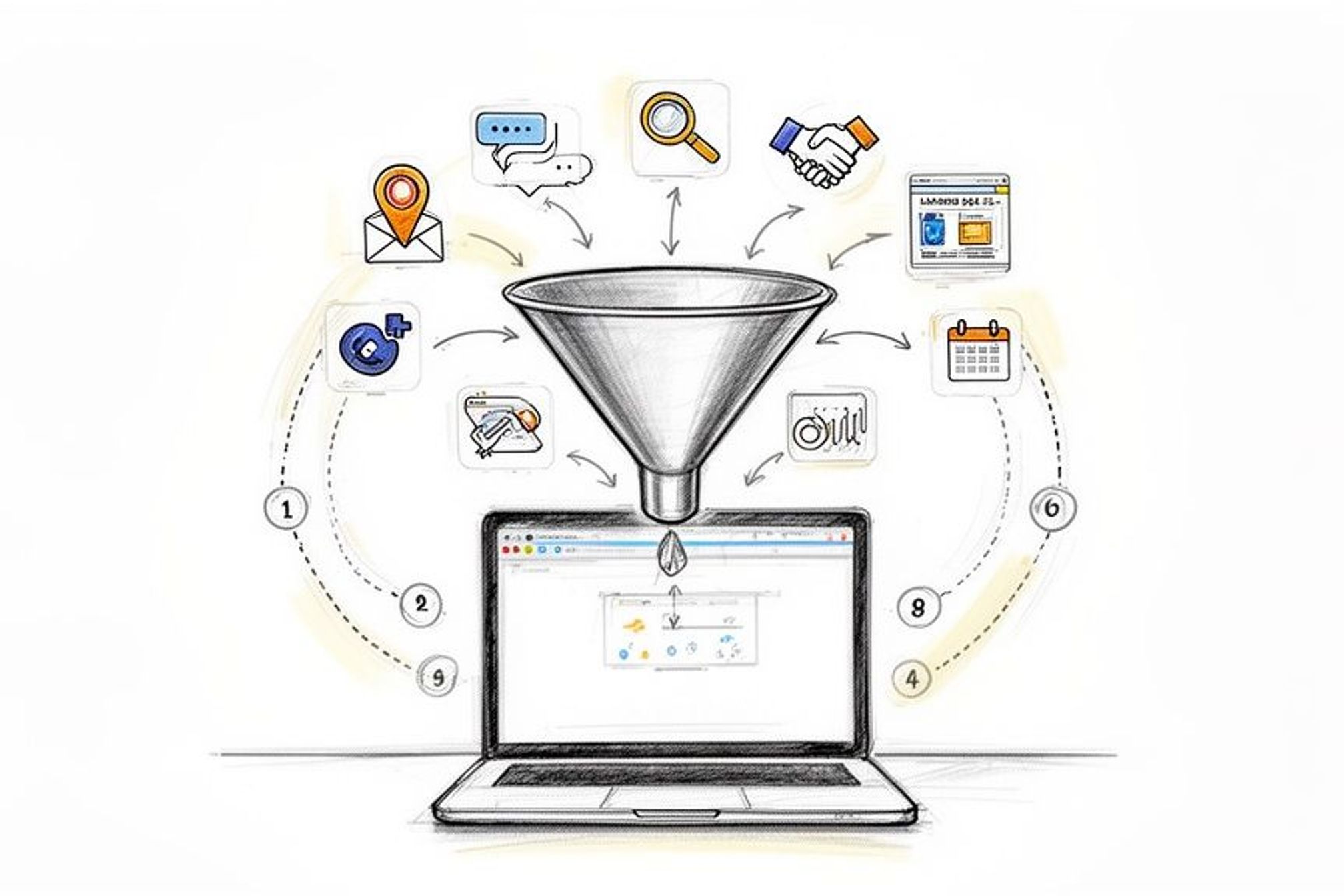
Finding new clients can feel like a full-time job. You're a great designer, but the cycle of being too busy or too quiet is tiring. One month you have too many projects, and the next you're wondering where your next client will come from. The good news is, you don't need to be a marketing expert to get a steady stream of projects. Getting good web design leads is about using smart, simple plans that work for you while you focus on what you do best: building amazing websites.
This guide is your roadmap. We're cutting through the noise to give you 10 proven ways to fill your schedule with clients who value your work. Forget unclear advice and general tips. Each plan in this list is broken down into simple, easy-to-follow steps. We'll show you exactly what to do, why it works, and how to get started today. This guide is designed to help you spend less time looking for clients and more time creating for them.
The goal is to move from waiting for referrals to actively finding new work. These methods are designed to attract, connect with, and win over potential clients, creating a steady system for business growth. To really understand these ideas and build a strong list of potential clients, it helps to know the basics of what is lead generation marketing. From using local search to mastering LinkedIn, we will cover the real skills needed to get web design leads all the time. Let's dive in and turn your empty inbox into a waiting list of exciting new projects.
1. Content Marketing & SEO-Focused Landing Pages
Creating helpful content is one of the best ways to get web design leads. Instead of waiting for clients to find you, this plan brings them to you. It works by answering their questions and solving their problems through search engines like Google. By creating many specific landing pages, you can attract businesses looking for exactly what you offer.
The goal is to build dozens or even hundreds of unique pages. Each page can target a different keyword, service, or location. For example, you can create pages for "web design for plumbers in Dallas" or "online store design for new businesses." This approach shows you are an expert and helps you reach a lot of people searching online.
How to Use This Plan
- Target Specific Groups: Create landing pages for certain industries (like law firms, restaurants, or contractors) or services (like WordPress help, Shopify stores, or website updates). This helps you show up in search results for less common, specific phrases.
- Go Local: Focus on clients in certain cities or areas. A page titled "Web Design Services in Austin, TX" is more likely to attract a local business than a general "Web Design Services" page.
- Do More with Less Effort: Making hundreds of pages by hand is too much work. Tools like LPagery let you use one template and a spreadsheet (like Google Sheets) to create countless unique, search-friendly pages automatically. You can change text, images, and other details for each one.
For web design businesses, making your website work well is key. This means knowing how to make landing pages that turn your visitors into real leads.
Actionable Tips for Success
- Make Each Page Useful: Each landing page should offer something special. Change the headline, examples, and call-to-action (CTA) to connect with the people that page is for.
- Clear CTAs: Every page needs a clear next step. Include easy-to-see contact forms, "Get a Free Quote" buttons, or links to schedule a call.
- Improve for SEO: Make sure each page has a unique title, description, and content that is friendly for search engines. To get started, you can find some of the best free WordPress SEO plugins to help manage these things.
- Check and Change: Use tools like Google Analytics and Search Console to see which pages are doing well. Look at your traffic and see how many visitors become leads to make your plan better over time.
2. Local SEO & Google Business Profile
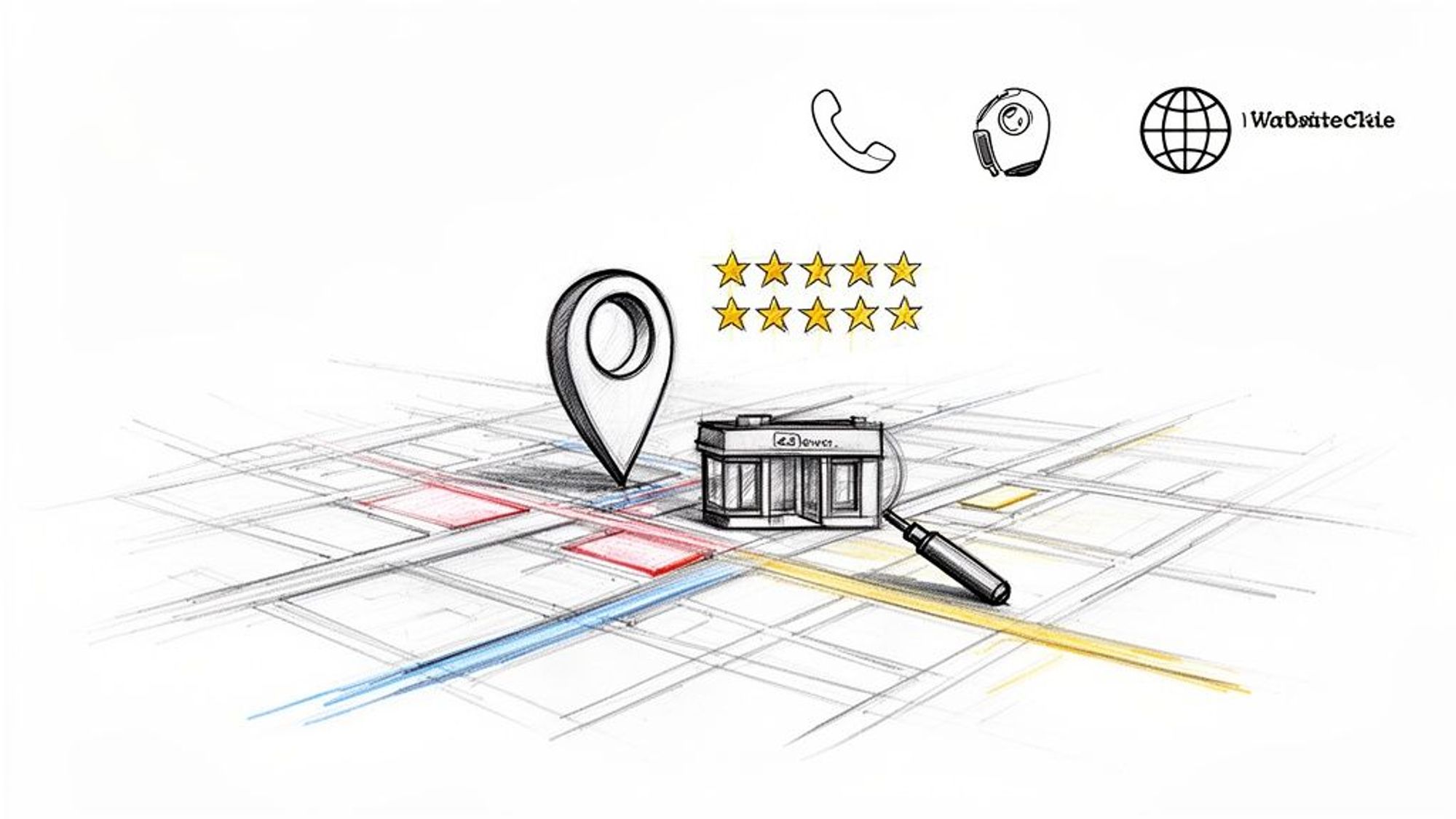
For many web designers, the best clients are nearby. Local SEO is the plan for making your business show up more in local search results on Google. When a local business owner searches for "web design near me" or "web designer in [Your City]," this plan helps your business appear at the top, often in the Google Map section.
This approach works very well because it connects you with clients who want to hire someone local. They are actively looking for a service they can trust, and being close by is often a big plus. By making your online information better for a certain area, you can get web design leads that are high-quality and ready to hire.
How to Use This Plan
- Claim and Improve Your Google Business Profile: Your Google Business Profile (GBP) is your most important tool for local SEO. Fill out every section, including your services, hours, photos, and a good business description.
- Build Local Listings: Get your business name, address, and phone number (NAP) listed in the same way across online directories like Yelp, Yellow Pages, and sites for your industry.
- Create Pages for Specific Locations: Don't just focus on one city. If you serve different towns or neighborhoods, make a special page for each one. For example, a page for "Web Design in North Austin" can catch very specific local searches. Tools like LPagery are great for this, letting you create unique pages for every service area from one template.
Focusing on local search is one of the most direct ways to find ready buyers. A good plan means you need to understand how to improve local SEO rankings.
Actionable Tips for Success
- Get Google Reviews: Ask your happy clients to leave a review on your Google Business Profile. Good reviews build trust and help you rank higher in local search.
- Reply to All Reviews: Respond to every review, good or bad. This shows Google and potential clients that you care about your customers.
- Use Local Business Info on Your Site: Add special code (called schema markup) to your website. This helps search engines understand your location, services, and contact info, which can make you more visible.
- Show Local Work: On your location pages, show off projects you've done for other businesses in that area. Local success stories and examples are very convincing.
3. LinkedIn Networking & Showing Your Expertise
LinkedIn is more than just an online resume. It's a great place to get web design leads by showing what you know and making real connections. By regularly sharing helpful ideas, past work, and industry news, you become known as an expert. This attracts potential clients who need your skills.
The goal is to become the main web design expert in your network. Instead of selling hard, you give value first through your content. This builds trust and keeps you in mind when a business owner is ready to pay for a new website. It's a very good way to get web design leads directly.
How to Use This Plan
- Share Your Work: Regularly post before-and-after examples of your web design projects. Show the problem, your solution, and the good results you got for the client. Pictures and videos are very important here.
- Share Your Knowledge: Write short articles or posts about web design trends, new technology, or tips for making websites better for users. This shows you know your industry well.
- Connect with Others: Don't just post and walk away. Actively connect with potential clients in your target industries, leave thoughtful comments on their posts, and join relevant groups to build relationships.
This approach turns your LinkedIn profile from a simple page into a tool that brings you leads. It is a key part of good marketing for small business owners and freelancers.
Actionable Tips for Success
- Be Consistent: Try to post at least 2-3 times per week to stay visible to your network. Posting regularly is more important than posting a lot.
- Use Visuals: Use things like portfolio images, short videos, or simple charts to make your posts more interesting and stop people from scrolling past.
- Engage Daily: Spend 15-20 minutes each day liking and commenting on posts from your connections and target clients. Real engagement builds good relationships.
- Improve Your Profile: Make sure your profile headline clearly says what you do and who you do it for (e.g., "Web Designer for Online Stores | Shopify & WordPress Expert"). Ask happy clients for recommendations.
4. Google Ads & Paid Ad Campaigns
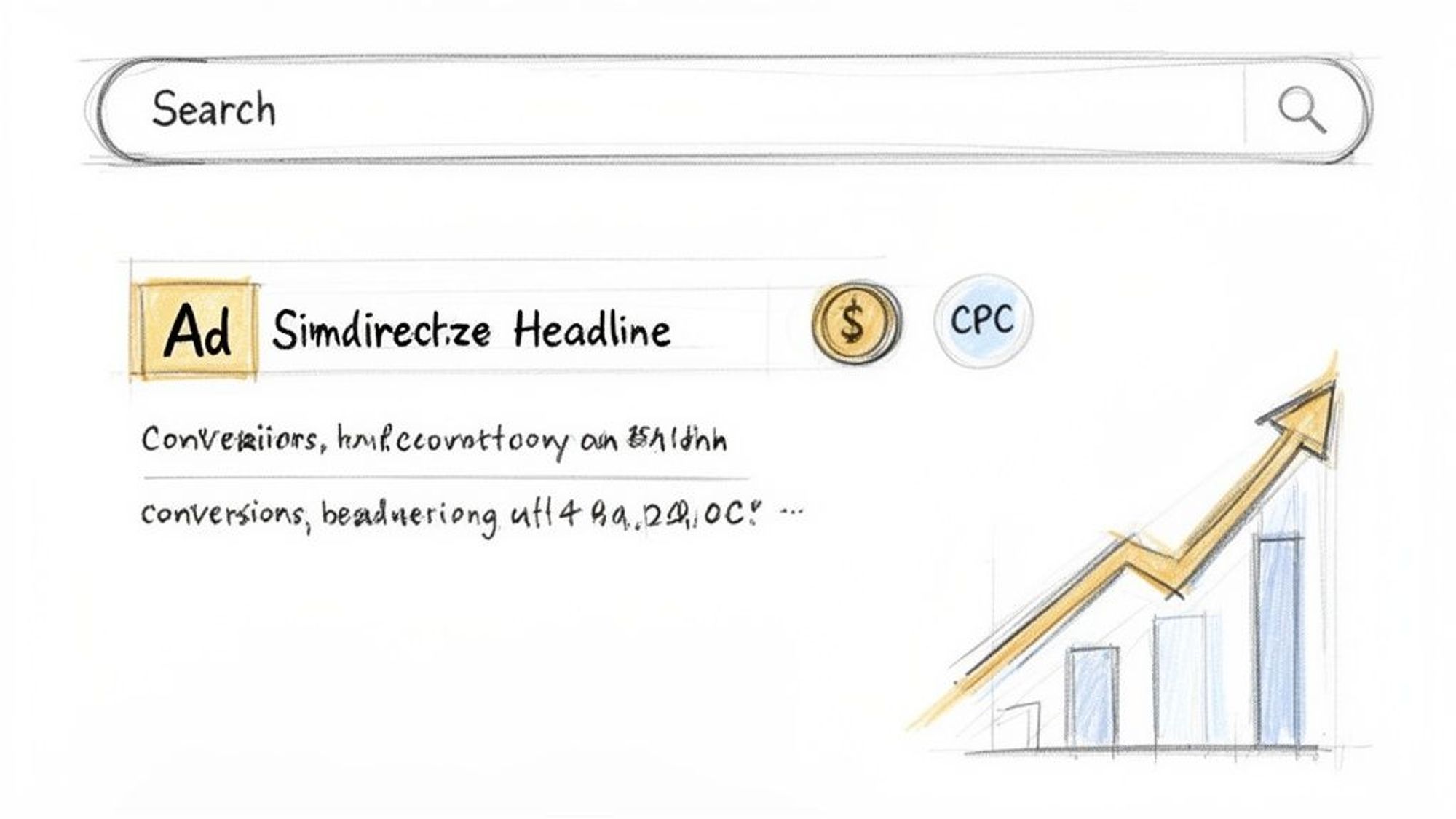
While SEO builds traffic over the long term, sometimes you need leads right now. Google Ads and other Pay-Per-Click (PPC) platforms let you put your web design services right in front of potential clients who are actively searching for them. You pay for certain keywords, and your ads show up at the top of the search results. This brings in immediate traffic from people who are ready to buy.
This plan is powerful because it finds people at the exact moment they have a problem and are looking for an answer. Instead of waiting for them to find your content, you pay to be the first solution they see. This makes PPC one of the fastest ways to get web design leads, as long as your ads are managed well.
How to Use This Plan
- Target "Ready to Buy" Keywords: Focus on phrases that show a user is ready to hire someone. For example, a freelancer might bid on "WordPress developer for small business," while an agency could target "e-commerce website design company."
- Create Ads for Specific Areas: Limit your ad spending to the cities or regions where your ideal clients are. This is very useful for agencies that want to be the main choice in a local market, like running an ad for "web design services in Miami."
- Use Special Landing Pages: Never send people from your ads to your homepage. Create custom landing pages that match the ad's message and have one clear thing you want them to do. If your ad promises "affordable web design," the landing page must show that.
Actionable Tips for Success
- Start Small and Focused: Begin with a small budget and a short list of 10-15 keywords. This lets you test what works without risking a lot of money.
- Write Good Ad Text: Your ad headline and description must grab attention and offer a clear benefit. Test different versions to see which ones get more clicks.
- Block Bad Keywords: Regularly check the search words that make your ads appear. Add words that don't fit (like "free," "jobs," or "tutorial") to a "negative keyword" list to stop wasting money on clicks from people who won't hire you.
- Track Everything: Set up tracking to measure which keywords and ads are bringing in actual leads. Without this information, you are just guessing where to spend your money.
5. Client Referral Programs & Partnerships
One of the best ways to get web design leads is by using your current network. Instead of always looking for new people, a clear referral program encourages your happy clients and business partners to send good leads directly to you. These leads often turn into clients more easily because they already trust you based on the recommendation.
The goal is to make word-of-mouth marketing more official by creating clear rewards for people who recommend you. This could be a cash reward for a past client or a partnership with a marketing agency that needs a good web designer for their own clients. This approach turns your network into a lead-finding machine.
How to Use This Plan
- Start a Client Referral Program: Create a simple, official program for past clients. Offer a clear reward, like 10% of the project's first payment or a set fee for every client who signs a contract.
- Form Smart Partnerships: Connect with professionals in other fields who serve the same types of clients. Think of SEO experts, writers, branding agencies, and IT support companies. You can send business to each other, creating a win-win relationship.
- Offer "White-Label" Services: Partner with other agencies (like marketing firms) that don't have their own web design team. You can do the work under their brand. This lets them offer more services while you get a steady flow of projects.
Actionable Tips for Success
- Make Referring Easy: Create a special page on your website with a simple form for referrals. Or give partners a unique link to share. The fewer steps someone has to take, the more likely they are to send leads your way.
- Provide Marketing Materials: Give your partners everything they need to promote you, like a short summary of your services, case studies, and a link to your portfolio.
- Offer Better Rewards: Encourage more referrals by offering better rewards for more business. For example, the reward could go from 10% to 15% after their third successful referral.
- Track Everything: Use a simple spreadsheet or a special tool to keep track of where each lead came from, the status of the referral, and when payments are due. This keeps everything organized and clear.
6. Email Marketing & Nurturing Leads
Not every visitor is ready to hire you on their first visit. Email marketing lets you talk directly with potential clients. This allows you to build trust and stay on their mind until they are ready to buy. This plan focuses on getting a visitor's email address and then building that relationship over time.
The goal is to offer something valuable in exchange for an email address, then follow up with a series of automatic emails. These emails teach potential clients, show your skills, and gently guide them toward hiring you. It's a great way to win over visitors who might have left your site and never come back.
How to Use This Plan
- Create a "Lead Magnet": Offer a valuable freebie that your ideal client would want. This could be a "Website Redesign Checklist," a guide to "10 Features Every Small Business Website Needs," or a tool that calculates their return on investment.
- Set Up a Sign-Up Form: Put a clear form on your website where visitors can sign up to get your freebie. This could be on your homepage, blog posts, or in a pop-up.
- Build an Automatic Email Series: Use an email marketing tool like Mailchimp or ConvertKit to create a series of 3-5 emails. This "welcome series" should send the freebie and then share helpful tips, case studies, and ideas about web design.
For those looking to get web design leads, this approach builds a list of warm leads who already know, like, and trust your brand.
Actionable Tips for Success
- Give Value Right Away: Send the first email with the freebie within an hour of someone signing up. A quick response meets their expectations and starts the relationship off well.
- Focus on Teaching, Not Selling: Your emails should be 80% helpful content and only 20% about selling. Share what you know to show you are an expert.
- Group Your List: As your list grows, separate it based on how people signed up or what they're interested in. A potential online store client should get different content than a local service business.
- Check Your Performance: Look at your open rates (aim for 25% or higher) and click rates. See which emails do best and use that information to improve your plan. For a great lead magnet idea, you can learn more about how to use calculators to attract leads.
7. Portfolio Showcase & Case Study Marketing
A beautiful portfolio is important, but showing results is what really helps you get web design leads. Instead of just showing nice designs, case studies prove the real value you provide. This plan builds trust by showing potential clients real examples of how your work helped a business, making them more likely to choose you.
The goal is to go beyond just looks and focus on the story behind each project. A good case study explains the client's problem, your solution, and the real results you achieved. For instance, a case study showing how your redesign increased a client's online sales by 150% is much more powerful than a simple screenshot of their new homepage.
How to Use This Plan
- Structure Your Case Studies: Follow a simple "Problem, Solution, Result" format. Clearly state the challenge the client had, explain the web design plan you used, and highlight the specific, data-driven results.
- Focus on Business Impact: Go beyond design words. Did the new website increase traffic, get more sales, or bring in more good leads? Use numbers and data to show the return on investment (ROI).
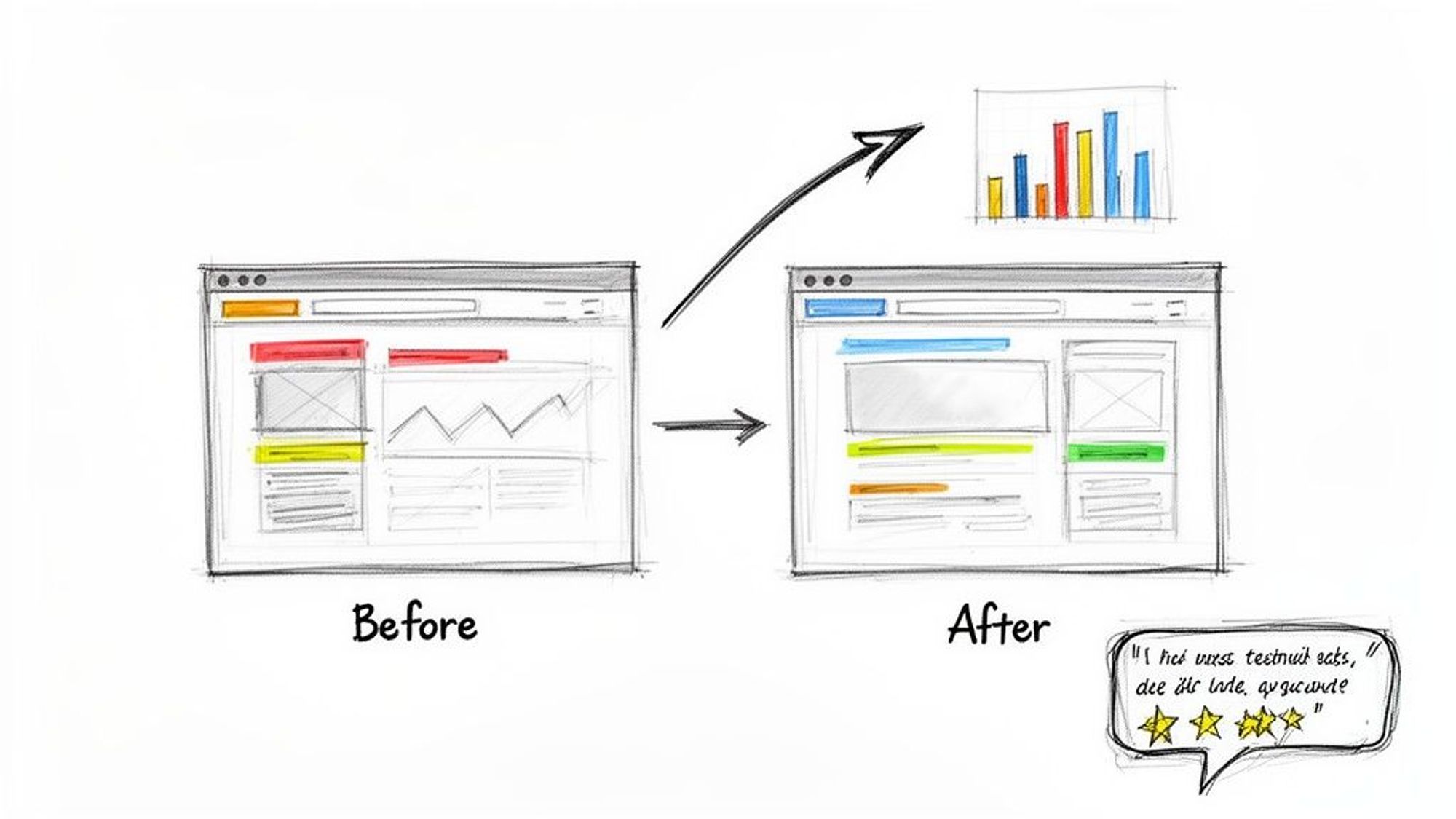
- Show Before and After: Visual comparisons are powerful. Include screenshots of the old website next to the new one to make the change clear and impressive for potential clients.
Creating special pages for each case study is a great way to attract the right kind of traffic. You can use some of the best WordPress landing page templates to build these quickly and professionally, making sure each one looks as good as the work it shows.
Actionable Tips for Success
- Include Client Testimonials: A quote from a happy client adds social proof and makes you seem more trustworthy. Put it in a visible spot within the case study.
- Prioritize Recent Work: Keep your portfolio fresh by adding new projects at least once a month. This shows that your business is active and your skills are up-to-date.
- Promote Your Case Studies: Don't just let them sit on your website. Share them on social media like LinkedIn, include them in your email newsletters, and link to them from related blog posts.
- Get Permission: Always ask for the client’s permission to show their project and results. This is professional, builds good relationships, and ensures you can share your best work.
8. YouTube & Video Content Strategy
Video content, especially on platforms like YouTube, is a great tool to get web design leads by showing your skills visually. Instead of just telling potential clients what you can do, you can show them. This plan builds trust and authority by offering free, valuable tips, tutorials, and a look at how you work.
The goal is to create educational and promotional videos that attract your ideal clients. For instance, a video titled "5 Common Mistakes Businesses Make on Their Homepage" can bring in viewers who are looking to improve their website. By showing what you know, you become the expert they should hire for the job.
How to Use This Plan
- Create "How-To" Content: Make videos that teach simple web design ideas or solve common problems. A freelancer could create a "How to Tell a Web Designer What You Want" series, while an agency might make videos on improving website speed.
- Showcase Your Work: Create case study videos or behind-the-scenes looks at a project. Videos of clients giving testimonials are very effective, as they provide social proof and build trust with new people.
- Discuss Industry News: Post weekly or monthly videos talking about the latest design trends, new technologies, or marketing plans. This keeps your channel current and shows you are a leader in your field.
Actionable Tips for Success
- Optimize for Search: Treat your YouTube videos like blog posts. Use relevant keywords in your titles, descriptions, and tags. A title like "Modern Web Design for Real Estate Agents in 2024" is very specific and easy to find.
- Include Clear Calls-to-Action: Tell viewers what to do next. Add a verbal call-to-action in your video and include links to your portfolio, contact form, or a special landing page in the video description.
- Engage with Your Audience: Reply to comments within 24 hours to build a community around your channel. Answering questions shows you are friendly and helpful, which can lead to new client calls.
- Reuse Your Content: Turn your long videos into smaller clips for social media like Instagram Reels, TikTok, or LinkedIn. This helps you reach more people and drives traffic back to your main YouTube channel and website.
9. Webinars & Educational Online Events
Hosting educational webinars is a great way to get web design leads by showing your expertise and building trust with a live audience. Instead of a hard sales pitch, you provide real value by teaching potential clients about topics like digital strategy, SEO, or online store basics. This makes you seem like an authority and creates a list of warm, qualified leads who are already interested in what you offer.
The goal is to create a relaxed learning space where attendees can see your knowledge up close. A good webinar not only teaches but also naturally guides people toward your services. For example, a webinar on "How to Triple Your Website's Sales" can end with an offer for a free website review, turning interested viewers into direct leads.
How to Use This Plan
- Choose Relevant Topics: Focus on solving common problems for your ideal clients. A freelancer might host a "How to Choose the Right Web Designer" session, while an agency could run a quarterly "Top Web Design Trends for [Industry]" webinar.
- Promote Your Event: Start promoting your webinar at least two to three weeks early using social media, email newsletters, and paid ads. Create a simple sign-up page to get attendee information.
- Deliver Real Value: Plan your presentation to be interesting and educational. Keep it short, around 45-60 minutes, and focus on giving one or two key tips that people can use right away.
Webinars are a great way to talk directly with dozens of potential clients at once, building a personal connection that is hard to get through other marketing methods.
Actionable Tips for Success
- Record Everything: Always record your webinars. You can use the recording as a freebie on your website that works for you all the time, helping you get web design leads long after the live event is over.
- Clear Call-to-Action (CTA): End every webinar with a clear next step. Offer a free consultation, a special discount, or a downloadable guide to encourage people to take action.
- Follow-Up is Key: Prepare an automatic email series for everyone who signed up. Send the recording to all, and create a separate, more specific follow-up for those who came to the live event.
- Keep it Simple: You don't need expensive software to start. Tools like Zoom or Google Meet offer great webinar features that are easy to use and affordable.
10. Industry Partnerships & Guest Blogging
Working with others is a great way to get web design leads without just relying on your own marketing. By partnering with other businesses like marketing agencies or SEO firms, you can reach their existing clients. Writing guest blog posts on industry websites also puts your expertise in front of a new, relevant audience that needs your services.
This plan works by using trust and authority. A referral from a trusted partner or a smart article on a well-known blog acts as a strong recommendation. This builds your reputation and introduces you to warm leads who are already looking for web design help.
How to Use This Plan
- Form Smart Alliances: Find businesses that don't compete with you but serve your ideal clients. Think SEO experts, writers, brand strategists, and marketing consultants. Suggest a referral partnership where you send clients to each other.
- Find Guest Blogging Opportunities: Find blogs and websites that your target audience reads. A web designer focusing on online stores might write for sites like Smashing Magazine or the HubSpot blog.
- Pitch Valuable Content: Instead of a general sales pitch, suggest a guest post topic that solves a real problem for their audience. For example, pitch an article on "5 E-commerce Design Trends to Boost Sales in 2024."
This approach helps you reach far more people than you could alone and makes you seem like an authority in the web design world.
Actionable Tips for Success
- Focus on Relevant Audiences: Only partner with businesses and websites whose audience matches your ideal client. Quality is more important than quantity.
- Write a Strong Author Bio: Your guest post bio is your sales pitch. Include a good description of what you do and a clear link back to your services page or a special landing page.
- Promote Your Published Content: Share your guest post on your own social media and email list to get more views and show your partners you are helping them succeed.
- Build Real Relationships: Don't treat partnerships as one-time deals. Build good relationships with editors and partners for more chances to work together and get referrals.
10-Point Comparison: Web Design Lead Strategies
Strategy | How Hard to Do | What You Need | What to Expect | Best For | Main Benefits |
|---|---|---|---|---|---|
Content Marketing & SEO Pages | Medium–High: Needs SEO plan and content work | Writers, SEO tools, LPagery, time to rank | Steady online traffic and leads over 3–6+ months | Local businesses, agencies needing many leads | Many pages, cheaper than ads, builds site authority |
Local SEO & Google Business Profile | Medium: Set up GMB, listings, and local pages | Local listings, review management, local content | High-quality local leads and better mobile search results | Agencies in many locations, services for certain areas | High-intent local traffic, builds trust |
LinkedIn Networking & Expertise | Low–Medium: Regular posting and connecting | Time for posts, visuals, messaging, and talking to people | Long-term business relationships and B2B leads | B2B, expensive services, agency leaders | Direct contact with decision-makers, seen as expert |
Google Ads & PPC Campaigns | Medium–High: Set up ads, bidding, and improving | Large ad budget, PPC tools, special landing pages | Immediate, measurable, high-intent leads; can scale up | Competitive markets or when you need leads fast | Fast results, budget control, exact targeting and tracking |
Client Referrals & Partnerships | Low–Medium: Design program and manage partners | Rewards/payments, CRM, time to find partners | Warm, high-converting leads over time | Agencies with happy clients and good partners | Highest conversion rates, pay for results, builds fans |
Email Marketing & Lead Nurturing | Medium: Build list, group contacts, and automate | Email tool, freebies, copywriting, and tracking | High ROI; moves interested people toward a sale | Longer sales processes and repeat business | High ROI, automatic nurturing, targeted marketing |
Portfolio & Case Study Marketing | Medium: Collect data and create polished content | Design files, client help, copywriting time | More trust and higher-quality inbound calls | High-value projects and sales based on proof | Strong social proof, shows measurable ROI |
YouTube & Video Content | Medium–High: Scripting, recording, editing, and SEO | Camera/mic, editing software, production time | Audience growth, high engagement, long-term traffic | Visual demos, tutorials, showing your process | High engagement, reusable content, SEO benefits |
Webinars & Online Events | High: Prep content, technical setup, promotion, follow-up | Webinar tool, promotion budget, presenter time | High-quality leads and big list growth | Complex services that need teaching and live demos | Direct engagement, interactive Q&A, high conversion |
Industry Partnerships & Guest Blogging | Medium: Reaching out, pitching, and quality writing | Strong writing skills, outreach time, relationship building | Backlinks, referral traffic, and more credibility | SEO growth, building trust, reaching new people | Cheap exposure, backlinks, trust from association |
Start Getting the Leads You Deserve
You’ve just explored a full toolkit of proven plans designed to do one thing: help you get web design leads all the time. We’ve moved beyond unclear advice and into the real, practical steps you can take today to build a full schedule of clients who value your skills. From using the power of many SEO-focused landing pages to building a strong referral system, the path to a full project calendar is clearer than ever.
But information is only powerful when you use it. The number of options, from mastering local SEO to launching a YouTube channel, can feel like a lot. The most common mistake designers and agencies make is trying to do everything at once. This "spray and pray" approach often leads to burnout and poor results. The real secret to success is not in doing everything, but in doing a few things very well.
Your Action Plan: From Reading to Revenue
Instead of closing this page and moving on, promise to take the first step. Your journey to a steady stream of clients starts with focus and consistency. Here’s a simple plan to turn these ideas into your reality:
- Choose Your "Big Two": Look at the ten plans we covered. Which two really excite you or fit your current strengths? Are you a natural writer? Focus on content marketing and guest blogging. Are you good on camera? Your path might be through YouTube and webinars. Pick two, and only two, to start with.
- Commit to 90 Days: Give your chosen plans a real chance to work. Spend the next three months doing them consistently. If you chose LinkedIn, that means engaging daily and posting several times a week. If you chose local SEO, it means improving your Google Business Profile and starting to build those special landing pages.
- Track Everything: You can't improve what you don't measure. Set up simple tracking. How many profile views did you get on LinkedIn? How many new search rankings did your landing pages get? How many discovery calls were booked from your emails? This data will tell you what’s working and what to change.
- Systematize and Scale: Once you see good results from a plan, build a system around it. Create templates for your outreach emails, write down your SEO process, or make a content calendar you can stick to. This is how you move from "hustling" for leads to building a reliable lead-finding machine.
The Real Goal: Building Freedom and Impact
Mastering how to get web design leads isn't just about filling your bank account, though that is a great result. It’s about getting back control over your business and your time. It’s about trading money worries for creative freedom. When you have a steady flow of good leads, you get to be picky. You can choose to work on projects that inspire you with clients who respect how you work. You can finally stop taking "any" project just to pay the bills and start building a portfolio you are truly proud of.
The clients you want to work with are actively looking for a solution right now. They are looking for a web design expert they can trust to make their vision a reality. By using even a few of the tips in this guide, you are building the bridges that will connect their needs directly to your skills. The work you do today is an investment in a more stable, profitable, and happy future. You have the map. Now it’s time to take the first step and start attracting the clients you deserve.

I’m an experienced SEO professional with over a decade of helping over 100 businesses rank higher online, especially local businesses, e-commerce stores and SaaS. As the co-founder of LPagery, I specialize in practical, proven strategies for regular SEO and Local SEO success.
This post may contain affiliate links which we earn a commission on when purchasing a given product.
I’m an experienced SEO professional with over a decade of helping over 100 businesses rank higher online, especially local businesses, e-commerce stores and SaaS. As the co-founder of LPagery, I specialize in practical, proven strategies for regular SEO and Local SEO success.