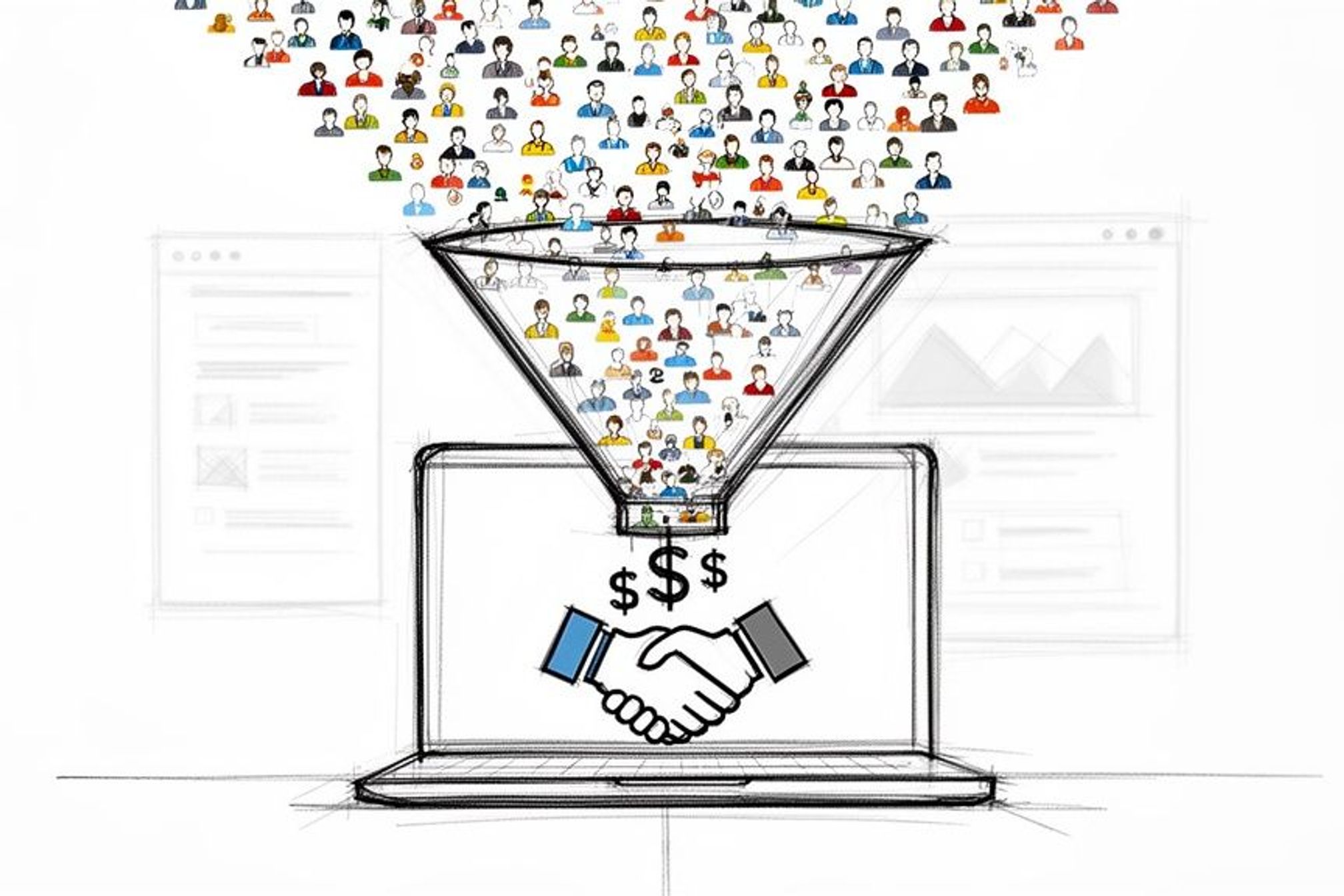
So, you want to buy web design leads? Let's break down what that means. It's simple: you're buying contact info for people who are looking for a new website. It's a direct path to new business, giving you a chance to talk to people who need your skills right away.
Why Buying Web Design Leads Is a Smart Move
Jumping into the world of paid leads can feel like a big step. But it's often a smart way to grow your web design business. Many successful agencies buy web design leads to keep new projects coming in. This is extra helpful when your other marketing methods are slow.
It's about working smarter, not just harder.
The biggest win here is getting your time back. Forget spending hours on cold calls, random networking, or slow-moving content. Instead, you get a direct link to people who have already shown they are interested. This can make your sales process much shorter.
Gain Predictable Revenue Streams
A steady flow of good leads is the key to steady income. When you know how many new chances are coming in each month, it's easier to guess your earnings. That financial stability lets you grow your team, buy better tools, and plan for the future with confidence.
Instead of the "feast or famine" cycle that many freelancers and small agencies face, buying leads helps smooth things out. This steady flow is what turns a side gig into a real business.
Connect with High-Intent Prospects
When you buy web design leads, you’re not just getting a list of random names. You're getting in touch with people who are actively looking for your help. They have likely already done some research and are ready to talk seriously.
This means you spend less time trying to convince someone they have a problem. You spend more time showing them why you're the right person to fix it.
The real advantage is speed. A purchased lead is often an opportunity for today. A lead from your website might not be ready to buy for six months. This speed helps you fill your project list quickly.
Think about it: 94% of a customer's first impression comes from a website's design. That fact alone shows the constant need for professional web design. Companies in the IT and services field—which includes web designers like you—get an average of 3,660 leads per month. That's way more than other industries. Tapping into that flow is a great way to grow. This kind of focused marketing for a small business can make all the difference.
How to Find a Lead Generation Partner You Can Trust
Deciding to buy web design leads can feel tricky. The right partner can help you grow with real opportunities. The wrong one will just waste your time and money. The secret is finding a company that sends you good prospects, not just a random list of contacts.
Your search should start where real customers leave real reviews. Check out known business-to-business sites like G2 or Capterra. You can see honest feedback from other agencies there. Special forums and private groups on sites like Facebook or Slack can also be great for honest tips.
Asking the Right Questions
Once you have a short list, it's time to ask some questions. Any good provider will be happy to answer and be open about how they work. Think of this as an interview for an important partner, not just a sales call.
Here are a few questions you must ask:
- How do you get your leads? Do they come from search engines, paid ads, or cold calls? Their methods tell you a lot about the quality of the leads.
- What is your process for checking leads? A good provider checks every lead to make sure they have a real need, a budget, and a good timeline. You want people who are ready to talk, not just looking around.
- Are these leads exclusive, or am I competing with other agencies? Exclusive leads are only for you, which is a big plus. Shared leads are cheaper, but you're immediately in a race to offer the lowest price.
Their answers (or lack of answers) will tell you a lot about their business. If you work with WordPress, it’s also smart to ask if they can find leads who know about it. That small detail can be as important as choosing from the best WordPress plugins for agencies to improve your own work.
A common mistake is focusing only on the price per lead. A cheap, bad lead that goes nowhere costs you more than a pricier, exclusive lead who is ready to hire someone.
Vetting Your Potential Partner
Don't just believe their sales pitch. Before you sign anything, you need to check their claims with real proof. A good company will have case studies, testimonials, or even references ready to share.
A simple way to think about this process is in three steps: outreach, connection, and revenue.
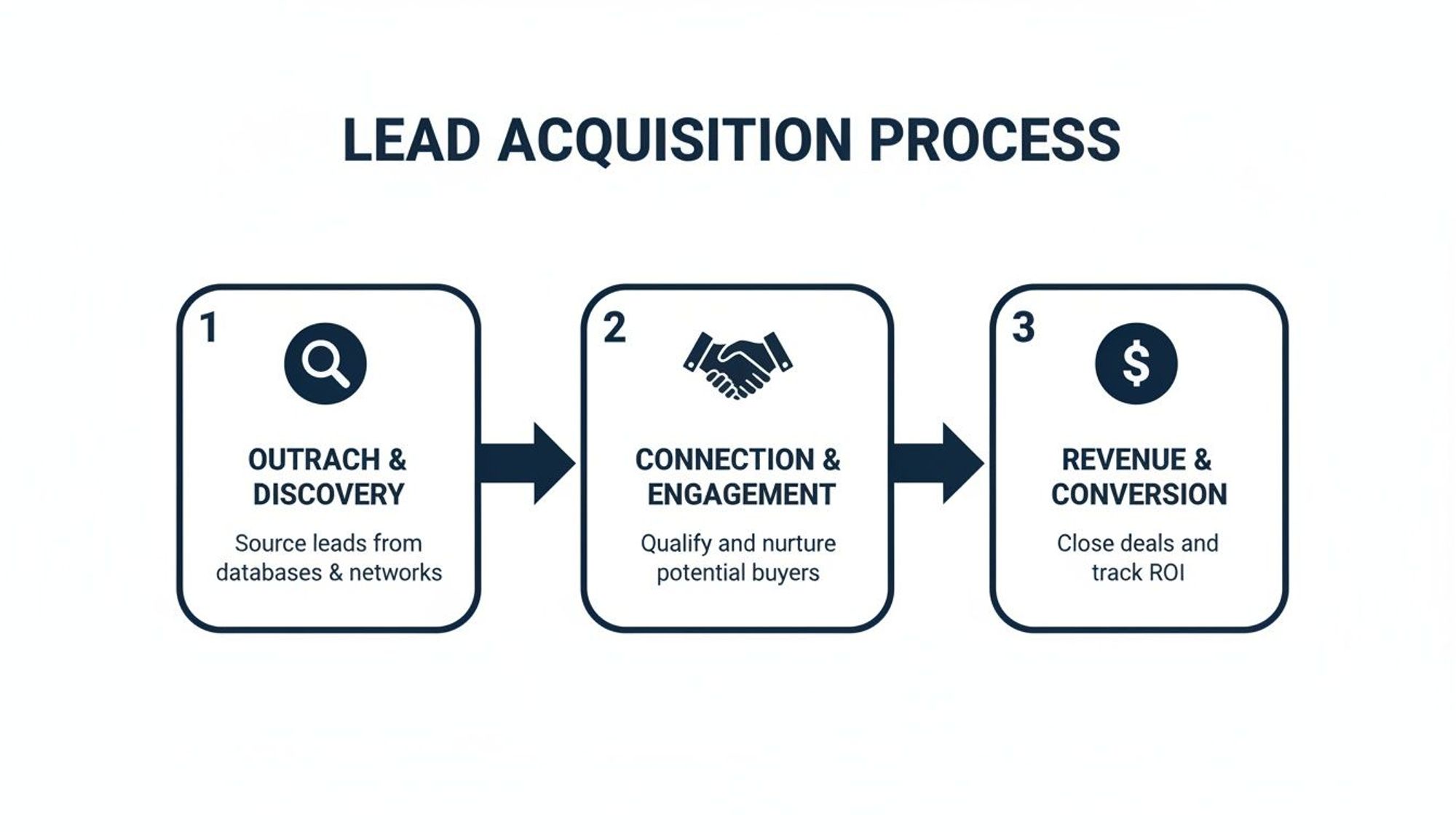
This just means finding the right partner (outreach), which lets you have good talks with potential clients (connection), and finally brings in new business (revenue). If you’re still looking at your options, a good SEO Lead Generation Services Guide can give you a bigger picture of different companies and what they offer.
Use this simple checklist to review every provider in the same way.
Checklist for Vetting Lead Providers
Vetting Criteria | What to Look For | Red Flags |
|---|---|---|
Lead Sourcing Method | Clear methods like SEO or targeted paid ads. | Vague answers like "our own sources" or "partner networks." |
Qualification Process | A multi-step process that checks budget, timeline, and need. | No checking process; leads are just contact forms. |
Exclusivity | 100% exclusive | 3-5 |
Sample Leads | Willing to provide a small, paid sample to test quality. | Refusing to offer a trial or sample group. |
Contract Terms | Flexible, short-term contracts or pay-per-lead models. | 12+ months |
Reviews & Testimonials | Real reviews on other sites like G2 or Capterra. | Only having testimonials on their own website. |
This checklist helps you ignore the noise and focus on what's important: finding a partner who can deliver real results.
Finally, you must do this: always ask to buy a small sample of leads before signing a long contract. This test is the best way to see the quality for yourself. It helps you decide if they’re the right choice to help you grow.
When you start to buy web design leads, the first question is always, "How much will this cost?" The short answer is: it varies a lot. You’ll find leads for as little as $10 and others for a few hundred dollars.
That huge price range isn’t random. It's based on lead quality and if the lead is exclusive to you.
Think of it like buying coffee. You can get a cheap cup from a gas station. Or you can get a fancy espresso from a specialty cafe. They’re both coffee, but the quality and experience are very different. The same is true for leads. A cheap lead is often "shared," meaning it's sold to many agencies at once. This puts you in a price war right away.
A more expensive lead, on the other hand, is usually exclusive. It’s sold only to you. More importantly, it’s probably been checked to confirm the person has a real project, a fair budget, and can hire someone. You’re not just buying contact info; you’re paying for a good opportunity.
Common Pricing Models Explained
Lead providers usually use a few different pricing models. Understanding them will help you choose one that fits your agency’s budget and goals. There's no single "best" option—it's about what works for you.
Here are the most common ways you'll see pricing set up:
- Pay-Per-Lead (PPL): This is as simple as it gets. You pay a set price for every single lead you get. It's easy to budget for. It's also perfect for testing a new provider without a big financial risk.
- Monthly Retainer: You pay a flat fee each month for a set number of leads or for the provider's ongoing work. This model is great for agencies that need a steady, predictable flow of opportunities.
- Commission-Based: With this model, you pay the provider a percentage of the project's value after you close the deal. The big plus here is no upfront cost, which is great for managing risk. Just know that it can get expensive on bigger projects.
What Makes a Lead High-Quality
Price and quality are almost always connected. But what does a "quality" lead really look like? It’s much more than just a name and an email address. A truly good lead has been qualified. This means someone has already confirmed the key details before it gets to you.
The cost per lead is very different by industry. For example, e-commerce leads average around $91. Event-focused leads can go up to $811. Investing in properly checked web design leads saves you from wasting time and money chasing dead ends. You can look at more of these lead generation statistics and trends to see how different industries compare.
A high-quality lead isn't just a possibility; it's a checked opportunity. It’s someone who has a clear need, a realistic budget, and the power to hire you. That’s what you’re paying for.
Before you buy a single lead, ask the provider about their qualification process. A good partner will have no problem explaining exactly how they make sure their leads are ready for a serious talk. This is also a great time to work on your own client attraction strategies. Our guide on local business SEO tips has some solid ideas to get you started.
To protect your investment, always start small. Never lock yourself into a long-term contract without buying a small test batch of leads first. This lets you see the quality for yourself and figure out your potential return before you spend more.
Turning Purchased Leads Into Paying Clients
Getting a list of names is the easy part. The real work—and where the money is made—starts when you turn those leads into paying clients. When a new web design lead lands in your inbox, the clock starts ticking. Success in this game often comes down to one simple thing: speed.
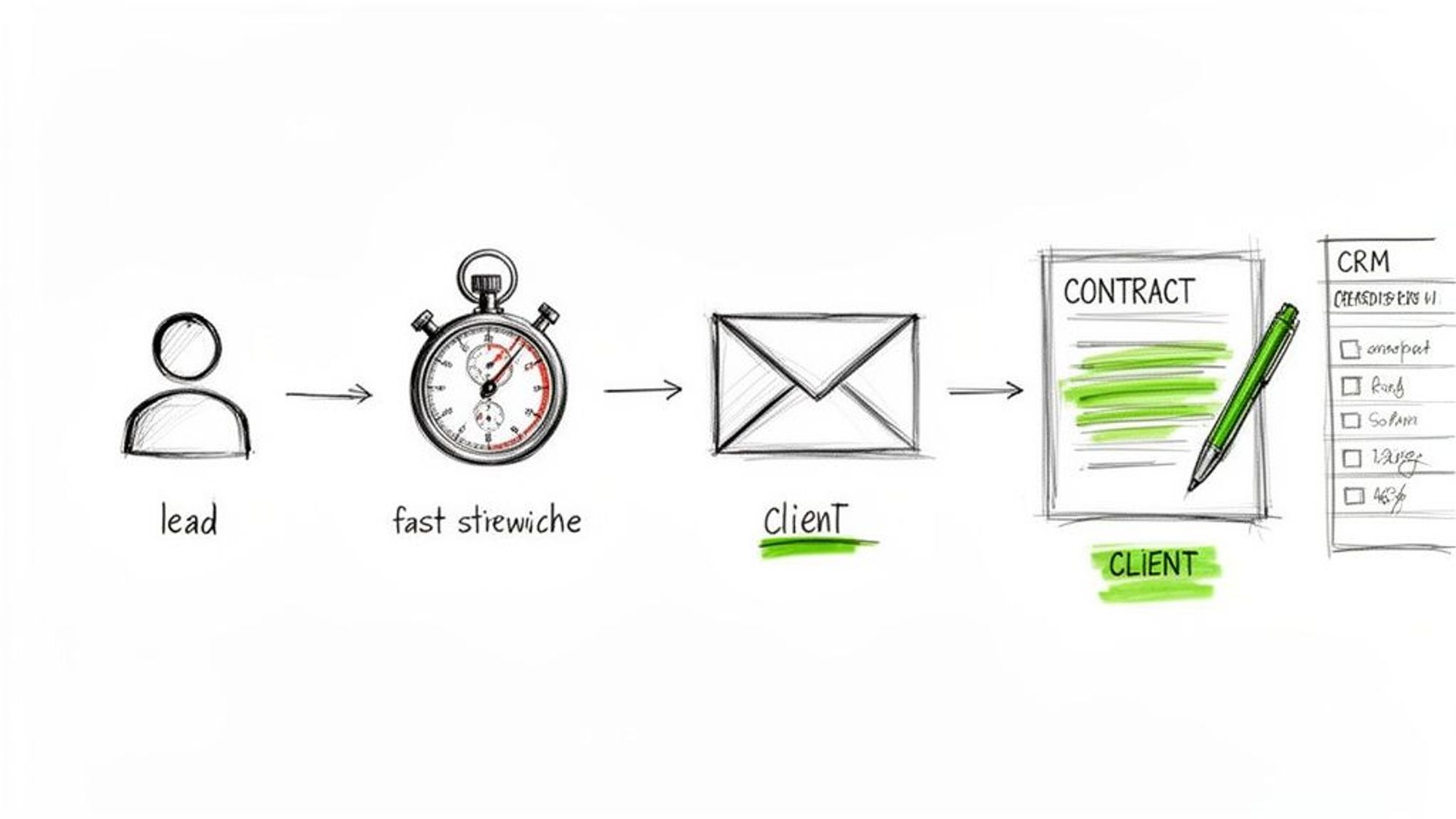
I can't say this enough. Responding within the first five minutes can greatly increase your chances of connecting with the person and closing the deal. If you wait half an hour, your odds drop fast. That person just filled out a form because their web design problem is on their mind right now. Be the first one to offer a solution.
Your First Outreach Strategy
How you make that first contact sets the tone for everything else. Whether you call or email, your goal isn't just to sell. It's to be helpful and start building a real connection. A quick phone call is almost always the fastest and most effective way.
When you get them on the phone, your first job is to listen. Don't start with a sales pitch. First, confirm they were looking for help. Then ask smart, open-ended questions to learn about their biggest problems.
- "What's going on in your business that made you look for a new website today?"
- "If this project is a big success, what is the main thing you hope it will do for you?"
- "Imagine it's six months after we launch—what does that success look like in real terms?"
Questions like these completely change the conversation. It's no longer a sales call; it's a team planning session. You're not just another seller—you're a potential partner who cares about their success.
The best first contact is less about what you say and more about what you ask. Your goal is to understand their problems so you can show how your services are the perfect solution.
If email is more your style, keep it short, personal, and focused on them. Mention something specific they said in their request. Then suggest a quick call to talk more. Whatever you do, don't send a long, generic email about your company's history. No one has time for that.
Simple Ways to Track Your Leads
You don't need a complex, expensive system to manage your leads. A special CRM tool like HubSpot or Zoho CRM is great as you grow. But a simple spreadsheet is all you need to start. Really.
Just create columns for the key info:
- Lead Source: Where did this lead come from?
- Contact Info: Name, email, phone number.
- Date Received: When did you get it?
- Status: Keep it simple—New, Contacted, Proposal Sent, Won, Lost.
- Next Steps: What is the very next thing you need to do with this lead?
This basic tracking system is your safety net. It makes sure no opportunity gets lost. It reminds you when to follow up. And over time, it will show you exactly which lead sources are making you money. You can also find creative ways to add value early on. You might want to learn how to use calculators as lead magnets to engage people before you even speak to them.
By building a smooth, repeatable process from the first hello to the final signed contract, you’ll be in a great spot to turn the web design leads you buy into happy, long-term clients.
Building Your Own Lead Generation Engine with SEO
Buying web design leads can give you a quick boost. But if you're in it for the long run, the best plan is to build your own lead-getting machine. Creating your own system using search engine optimization (SEO) puts you in full control. It also builds a valuable business asset that works for you all the time.
The whole idea is to create special website pages that attract clients searching for the exact services you offer in their specific town or industry.
Imagine this: a local business owner searches for "web design for plumbers in Austin." If you have a page just for that need, you are in the perfect spot to get their business.
From Manual Work to Automated Growth
Now, creating hundreds of unique pages for every service or city sounds like a huge amount of work. This is where modern tools change everything. They let you create a massive number of SEO-friendly pages from a single spreadsheet. It’s a powerful way to reach more people without having to do more work.
This is a big change from relying on other companies for leads. Instead of renting access to potential clients, you’re building something you own. Over time, this SEO engine will deliver a steady stream of high-quality, exclusive leads. These leads will cost you far less than buying them one by one.
The image below shows how an SEO workflow can turn simple data in a spreadsheet into a powerful, automatic lead-getting system.
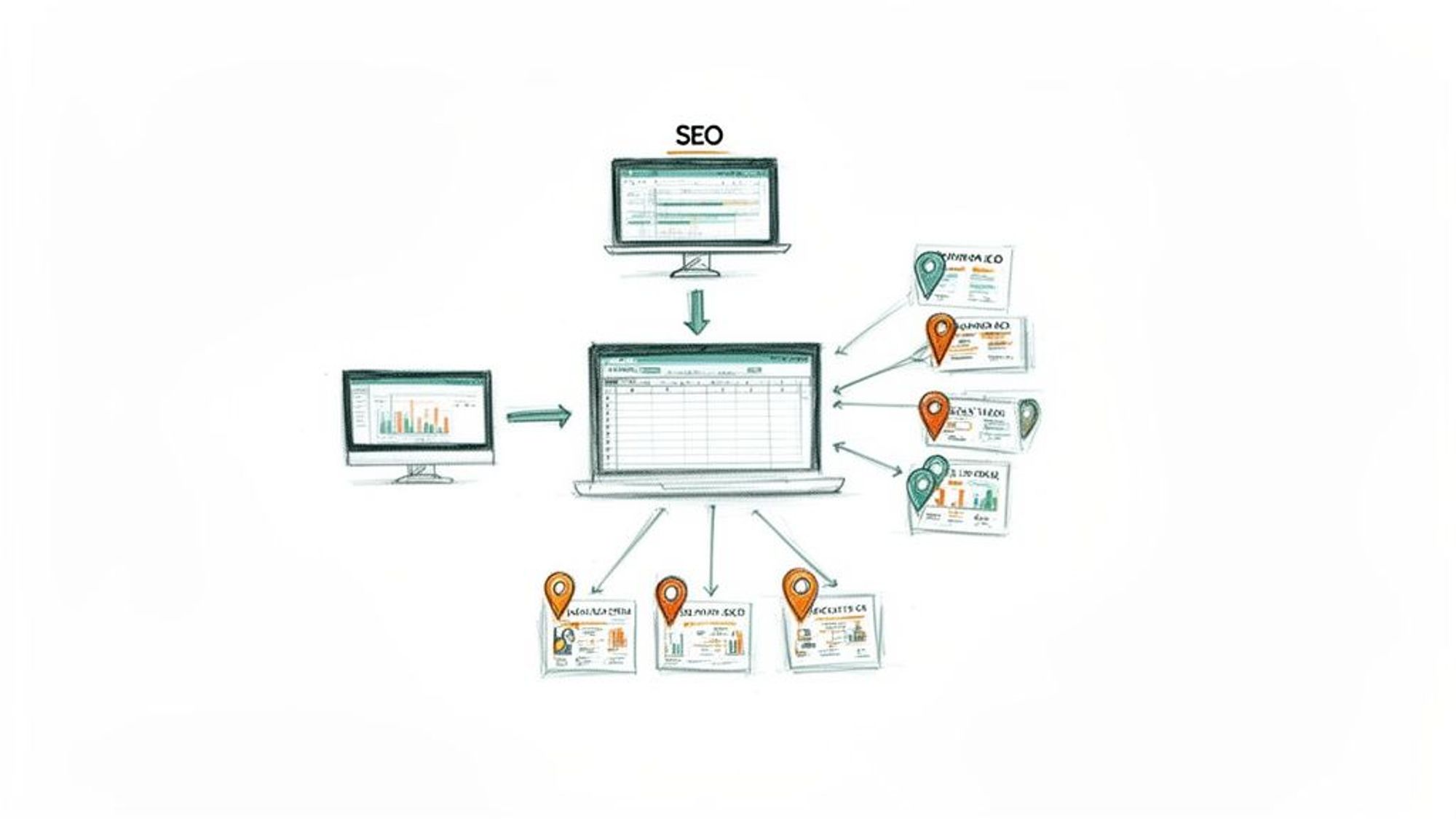
This process lets you manage huge amounts of unique content easily. It makes sure every single page is made for a specific audience and location.
Why SEO Delivers Higher Quality Leads
Getting your own leads through SEO is more than just a way to save money. It also brings in much better prospects. The data shows again and again that leads from organic search are better and more ready to buy. As you build your own lead engine, it's important to understand effective lead generation best practices to get the best results.
SEO leads consistently show their value. Marketers say that 35% of their best leads come from SEO. SEO also has an impressive 14.6% close rate. That's much higher than old-school sales methods.
Why does this happen? Because the customer finds you at the exact moment they need help. There's no cold outreach. They are already looking for a solution. These leads have a much higher desire to buy. This makes the whole sales process smoother and more successful.
In the end, this strategy frees you from depending on others. You're no longer stuck with a provider's pricing, quality, or changing rules. Creating a strong set of local SEO landing pages is a powerful step toward building a predictable and profitable future for your web design business. It gives you an advantage that will last for years.
Common Questions About Buying Web Design Leads
Jumping into the world of paid leads always brings up questions. It's smart to learn the basics before you start spending money. Let's go over the most common things designers ask when they think about buying web design leads.
Getting these basics down will help you move forward with confidence and make choices that grow your business.
How Much Should I Expect to Pay for a Good Web Design Lead?
Honestly, prices can vary a lot, from as low as $10 to over $100 per lead. It's a huge range.
The price usually comes down to two things: how well a lead has been checked for quality and if it's exclusive to you. A cheap lead might seem like a good deal, but it has almost certainly been sold to other agencies. That means you’re walking into a fight.
On the other hand, a pricier lead is usually exclusive and pre-checked. Someone has already confirmed that they have a real project, a timeline, and a reasonable budget. My advice? Start with a small budget, buy a small batch, and see what kind of return you get before you spend more.
Think of it this way: paying more for one great opportunity that turns into a real client is far better than paying less for ten leads that go nowhere. It’s about the quality of the talk, not just the number of contacts.
What Is the Difference Between Exclusive and Shared Leads?
This is probably the most important thing to understand. It directly affects your chance of closing a deal.
- An exclusive lead is sold only to you. This gives you a clear, competition-free chance to win their business. You can take your time to build a relationship without worrying about another designer offering a lower price.
- A shared lead is sold to multiple agencies, usually three to five. While they cost a lot less, you are immediately put into a race. It often turns into a battle of who can respond the fastest and offer the cheapest price.
For most agencies that want to land high-value projects, exclusive leads are the best choice. The upfront cost is higher, but so is your chance of success.
How Quickly Should I Follow Up on a New Lead?
Right away. I’m not joking.
Studies have shown that your odds of making contact are highest within the first five minutes. If you wait just 30 minutes, your chances of even connecting with that person drop sharply.
When someone fills out a form, their problem is on their mind right now. Set up instant alerts on your phone and have a simple, personal message ready to go. Speed is your single biggest advantage when you're working with paid leads.
Is It Better to Generate My Own Leads Instead of Buying Them?
In the long run, yes. Creating your own leads through things like SEO and helpful content is the best goal. It gives you full control, builds a real asset for your business, and tends to bring in much higher-quality people. Creating landing pages that speak to a specific type of client, for example, can bring in people who are already looking for what you offer.
But here’s the truth: building a good SEO plan takes time—months, or even longer.
That's why most successful agencies use a mix of both. They buy web design leads for immediate cash flow and to keep their project list full. At the same time, they invest in their own SEO and content for steady, long-term growth. One helps the other.

I’m an experienced SEO professional with over a decade of helping over 100 businesses rank higher online, especially local businesses, e-commerce stores and SaaS. As the co-founder of LPagery, I specialize in practical, proven strategies for regular SEO and Local SEO success.
This post may contain affiliate links which we earn a commission on when purchasing a given product.
I’m an experienced SEO professional with over a decade of helping over 100 businesses rank higher online, especially local businesses, e-commerce stores and SaaS. As the co-founder of LPagery, I specialize in practical, proven strategies for regular SEO and Local SEO success.